


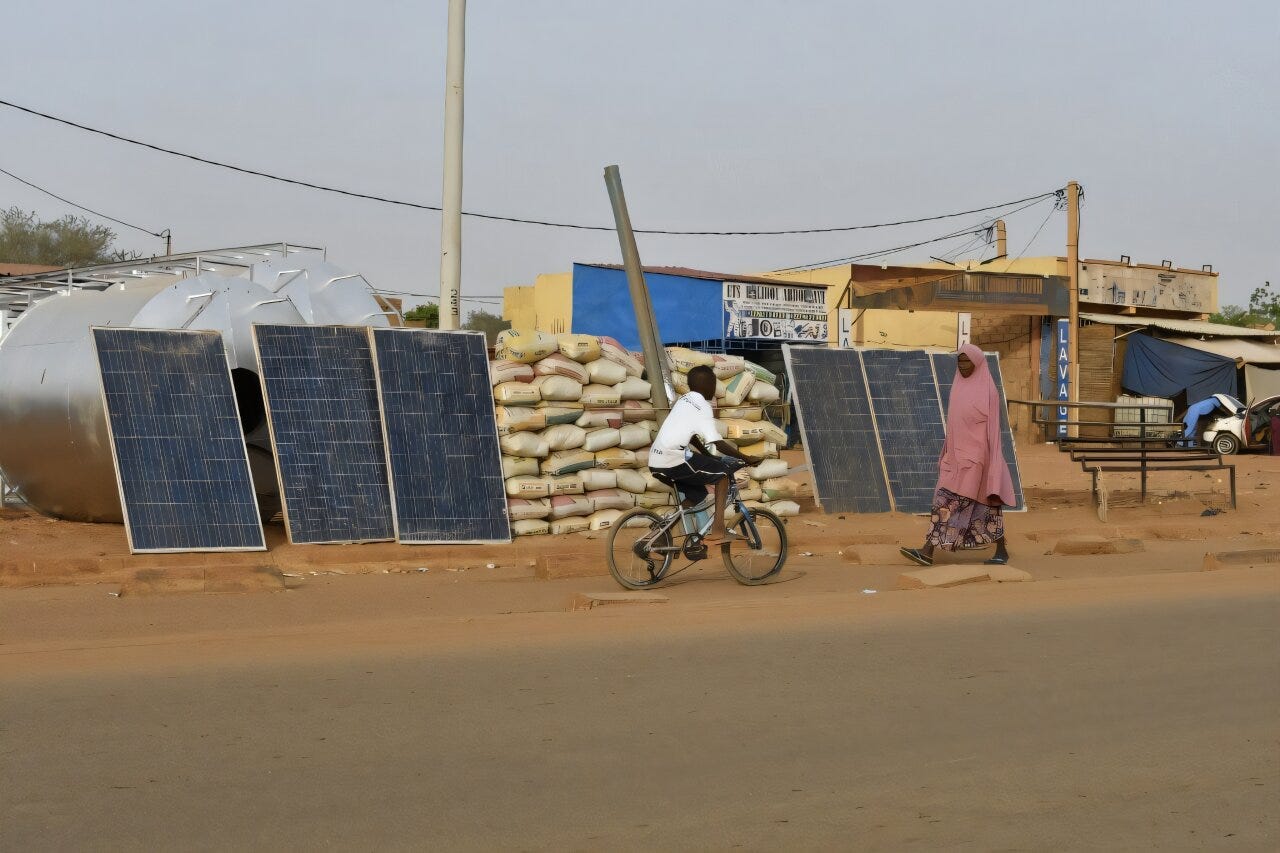
The Niger State Government has secured a $150 million loan from the Islamic Development Bank (IsDB) to finance a 100MW solar power project. The state government will complement the IsDB financing with an additional $10 million counterpart contribution, bringing the total investment to $160 million. The project will be sited in Maikunkele and will incorporate social intervention programmes designed to improve the livelihoods of residents in surrounding communities.
Mustapha Abubakar, Chairman of the New Niger Development Project, attributed the successful approval of the financing to the state government’s prudent execution of the Minna-Bida Road project. “In the portfolio of IsDB as of today, the Minna-Bida Road project is the best-managed project, and because of the way we have effectively managed the project, it has helped us secure a loan for a solar project,” he said.
The project is designed to occupy approximately 200 hectares and generate 100MW of electricity, providing a more reliable power supply for communities while supporting industrialisation, boosting agricultural productivity and stimulating broader economic growth across the state. It forms part of Niger State’s broader strategy to reduce its dependence on the national electricity grid and improve energy reliability for households, businesses and critical industries.
The investment aligns with the broader Mission 300 initiative, a joint programme led by the African Development Bank and the World Bank that seeks to provide electricity access to 300 million Africans by 2030. Niger State’s latest investment comes as subnational governments across Nigeria increasingly pursue alternative sources of electricity amid persistent challenges facing the national grid, including recurring system collapses and inadequate power supply.
This is a significant step for Niger State, which has been plagued by power outages and underdevelopment. The solar project could transform the state’s energy landscape, but its success will depend on effective implementation and maintenance.
This echoes the 2020s renewable energy push, which has seen several states pursue solar projects with multilateral financing. The mechanism then was different, but the result was the same: states seeking alternatives to the national grid.
The winners: Niger State residents, who will benefit from improved electricity access; and the Niger State Government, which has secured financing for a major infrastructure project. The losers: the Nigerian national grid, which faces competition from decentralised power solutions; and the Nigerian public, who must wait for the project to be completed.
Bottom Line: Niger State has secured $150 million for a 100MW solar plant. The project could transform the state’s energy landscape. The question is whether it will be delivered on time or join the long list of power projects that remain on paper.