


The Nigeria Police Force has confirmed that at least 30 people were killed in a reprisal attack in Wawa community, Borgu Local Government Area of Niger State.
The confirmation follows days of conflicting casualty figures after violence erupted in the area on Saturday, 21 November. Earlier reports put the death toll at 64, based on accounts from Fulani representatives and residents.
CSP Ani Iniedu, Force Public Relations Officer, clarified the figure in a statement following an assessment visit by senior police officers to the affected communities.
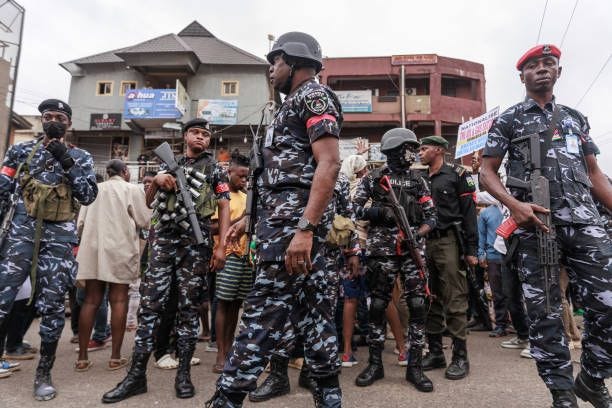
The violence began with an attack on Lumma Ba’are community, where gunmen killed six people, including the village head, Mallam Bawa Muhammed, and burnt several houses. A suspected reprisal followed later that day, targeting Fulani residents in Wawa.
Police said the Inspector-General of Police, Olatunji Disu, directed Deputy Inspector-General of Police Shehu Umar Nadada to assess the situation and coordinate security operations.
During a visit on Tuesday, 24 November, Nadada met the Emir of Borgu, Muhammed Dantoro, before visiting the affected communities. He announced the deployment of additional tactical personnel to reinforce security teams already operating in the area.
The killings have exposed deep tensions between communities in Borgu. Earlier reporting by Premium Times documented a history of attacks and reprisals involving Kambari and Fulani residents. Some locals have accused Fulani collaborators of aiding armed groups, while Fulani representatives have alleged targeted attacks against their communities. These allegations have fuelled hostility, but they do not establish collective responsibility for the violence.
The difference between the police figure and the earlier report of 64 deaths also requires careful attention. Reuters reported that it could not independently verify the higher figure. The police have now given an official count of 30 people killed in Wawa.
The victims and displaced families are the immediate losers. Farmers, traders and other residents also face the risk of losing their livelihoods as insecurity disrupts movement and access to communities. Security agencies must identify those responsible for both attacks and protect residents from further retaliation.
The deployment of additional personnel is necessary, but security operations alone may not resolve the underlying tensions. Authorities must investigate the killings, prosecute perpetrators and prevent allegations against individuals from becoming justification for attacks on entire communities.
Bottom Line: The police confirmation establishes the scale of the Wawa reprisal, but lasting security requires justice for victims and protection for all communities.