


The Nigeria Inter-Bank Settlement System (NIBSS) has released new operational directives. It urged commercial lenders and fintech operators to reinforce cybersecurity protocols. The goal is to preserve public confidence in mobile financial platforms. The directive follows a rise in fraud attempts
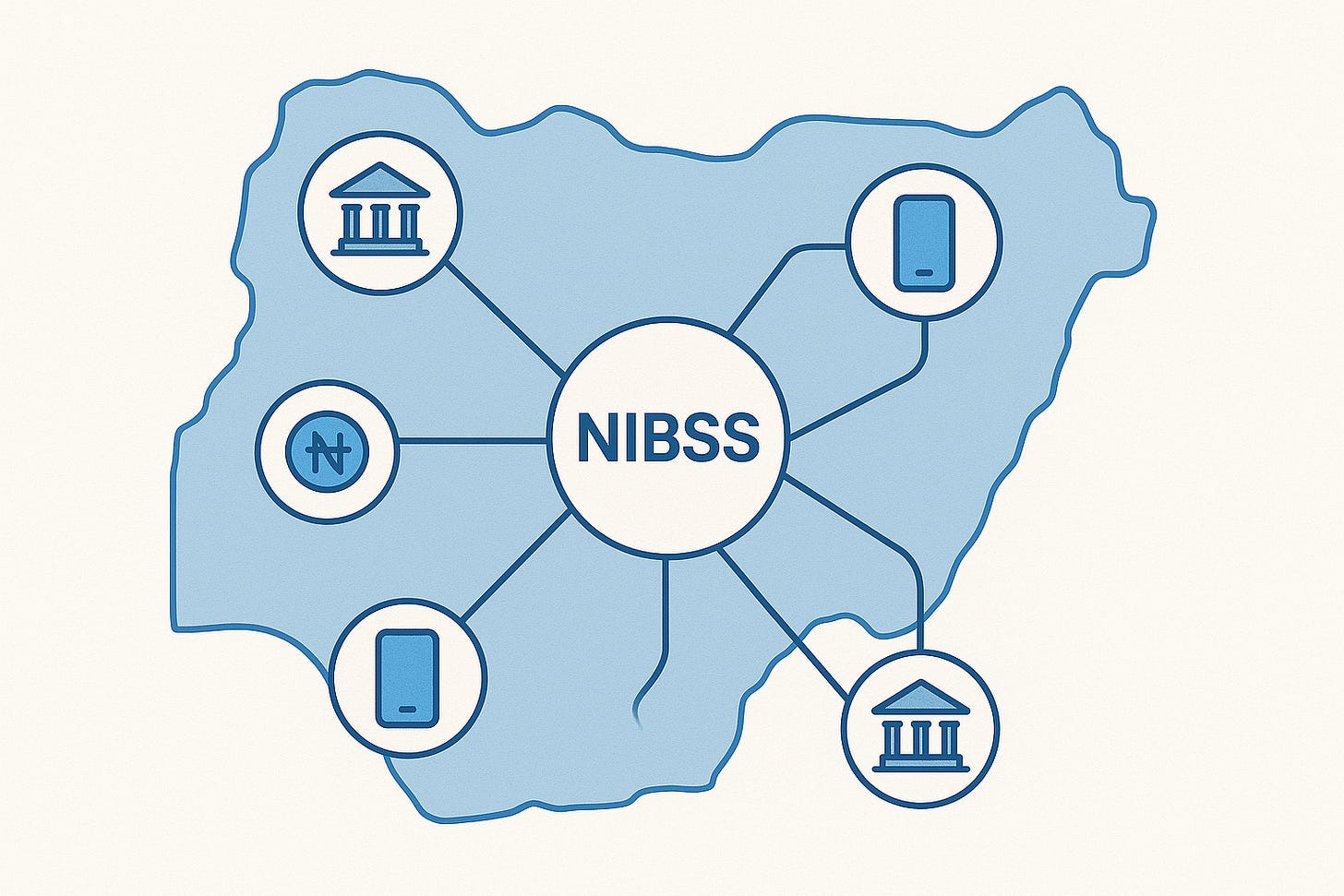
Nigeria’s digital payment system has grown rapidly. Mobile transfers, POS transactions and USSD banking are now mainstream. That growth has attracted fraudsters. In 2024, NIBSS reported a surge in phishing and SIM-swap fraud. In 2025, several banks reported breaches. The Central Bank of Nigeria has issued guidelines. Enforcement has been uneven. NIBSS is now acting directly.
NIBSS said financial institutions must strengthen authentication. They must monitor transactions in real time. They must train staff. They must report incidents within 24 hours. The directive applies to banks, mobile money operators and payment service providers. NIBSS said compliance will be monitored. Non-compliant institutions face sanctions.
The timing matters. The festive season approaches. Transaction volumes will rise. Fraudsters exploit the surge. The CBN has cut rates. Lending is increasing. More money moves through digital channels. That increases risk. NIBSS wants to prevent breaches before they happen.
The directive is sound. Implementation is the test. Many fintechs lack resources. Smaller operators may struggle. NIBSS must support them. It must also enforce consistently. One weak link compromises the system.
Winners: Consumers, who gain protection. Banks, which gain trust. Fintechs, which gain credibility. NIBSS, which shows leadership. Losers: Fraudsters, who face tougher defences. Small fintechs, which face compliance costs. Institutions that fail to comply, which face sanctions.
Bottom Line: NIBSS ordered stronger cybersecurity. Digital payments are growing. Fraud is rising. The directive is necessary. Enforcement will determine its impact. Consumers must trust the system. Without trust, digital payments stall.