


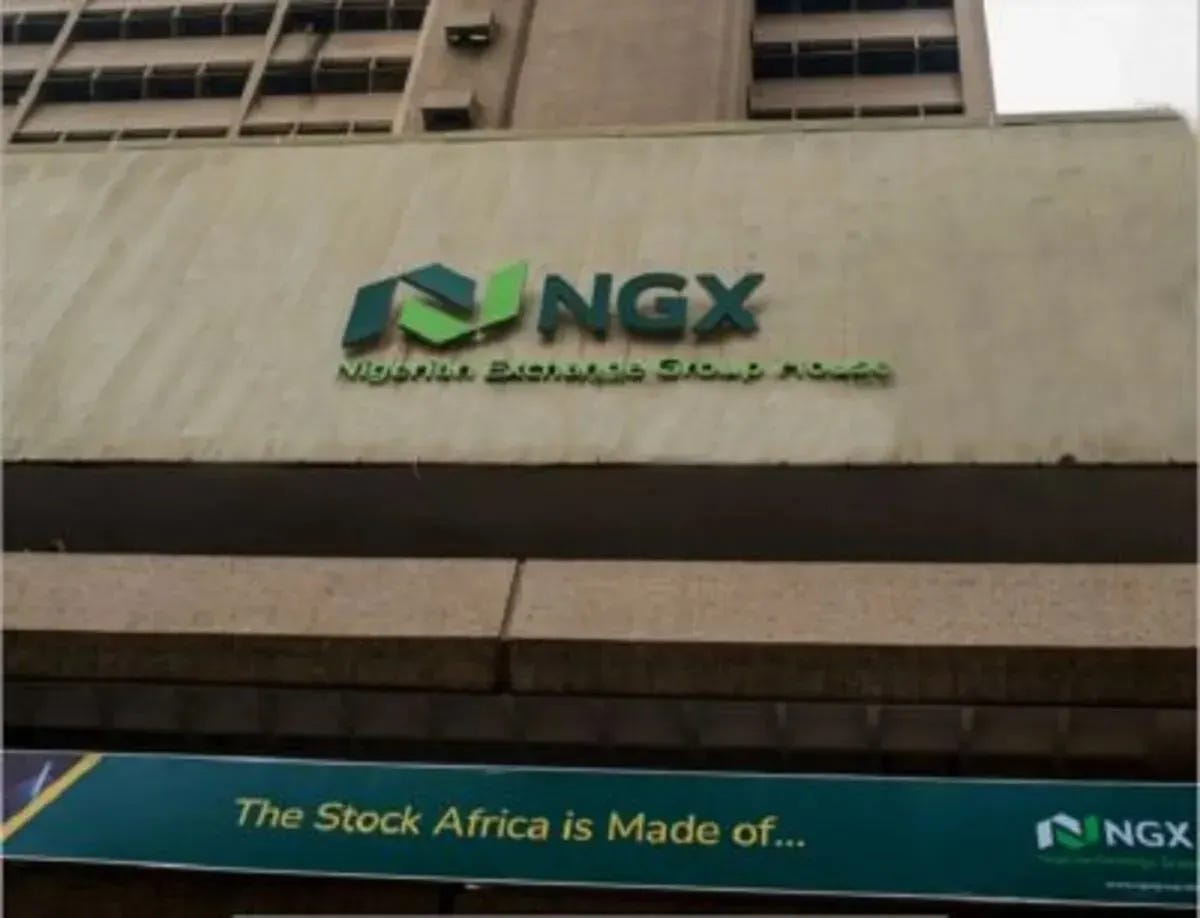
Trading on the Nigerian Exchange (NGX) closed on a positive note for the fifth consecutive session. Total market capitalisation rose by ₦316 billion. The gain followed strong buying interest in banking and industrial stocks.
The NGX has had a strong 2026. The first quarter recorded the biggest gain in Nigeria’s stock market history. The All-Share Index crossed the 200,000-point mark. Banking recapitalisation, corporate earnings and reform optimism drove the rally. The current five-session streak extends that momentum.
The ₦316 billion gain reflects sustained investor confidence. Banking stocks led the rally. Industrial stocks followed. The market has been buoyed by high dividend yields and improved earnings outlook. Foreign portfolio inflows have increased since J.P. Morgan readmitted Nigerian bonds to its emerging market index. Domestic institutional investors are also active. Pension funds and insurance companies are rebalancing portfolios.
The gains are real but fragile. The market is sensitive to exchange rate movements and global commodity prices. Crude oil above $100 per barrel supports government revenue. It also raises input costs for manufacturers. The NGX rally is partly a liquidity story. Money is chasing limited assets. When sentiment shifts, the exit can be sharp.
The Dangote Refinery IPO, currently open, is another factor. It is drawing retail investors into the market. Some of that capital may be redirected from existing stocks. The net effect on the broader market is uncertain.
Winners: Investors holding banking and industrial stocks. Pension funds and institutional investors. The NGX, which deepens liquidity. Stockbrokers, who earn fees. Losers: Investors in declining sectors. Retail investors who buy at the top. The real economy, if stock market gains do not translate into productive investment.
Bottom Line: Five sessions of gains. ₦316 billion added. The NGX is riding a wave of liquidity and optimism. Whether it is sustainable depends on earnings and the exchange rate, not sentiment.