


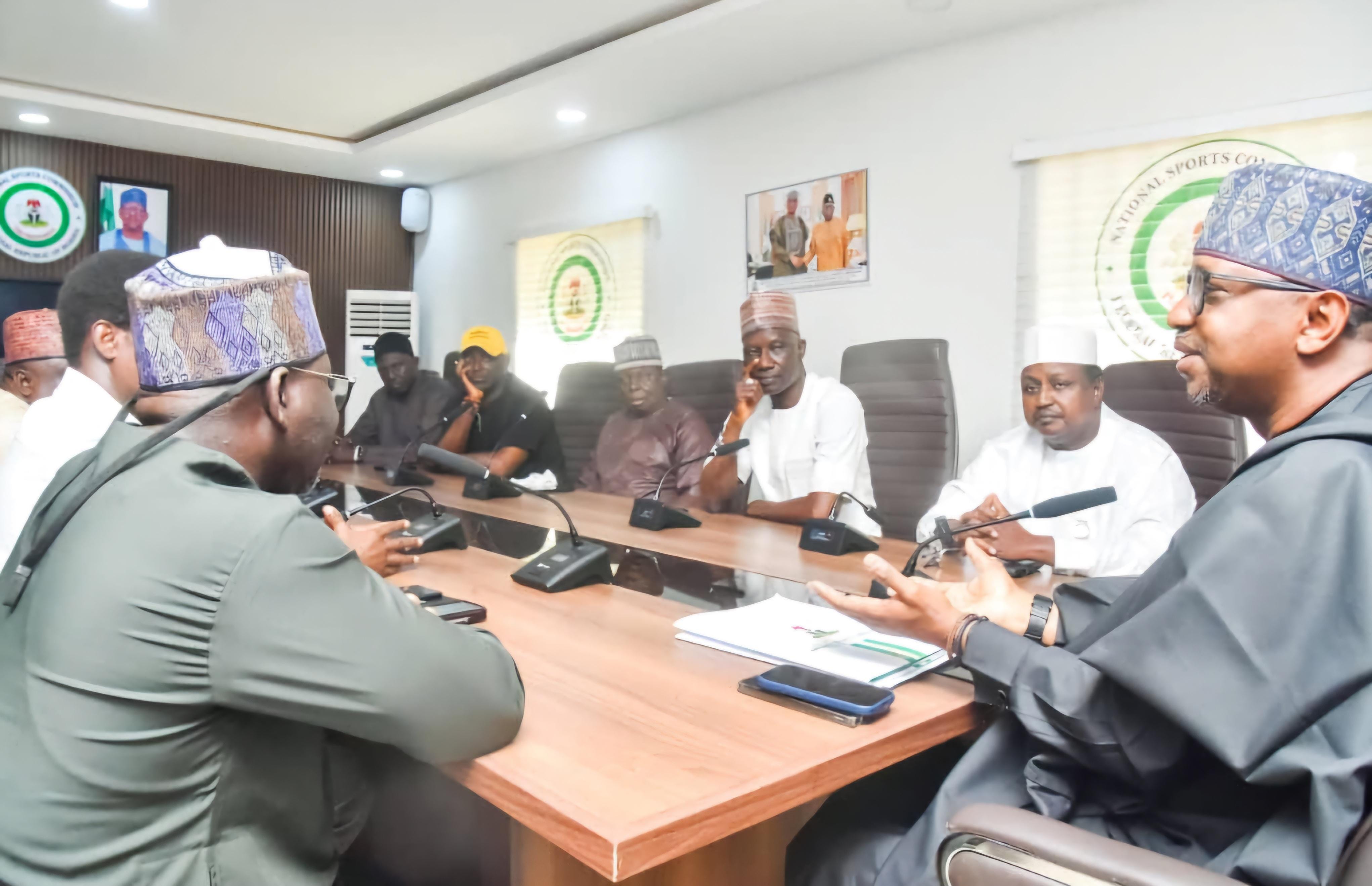
The Nigeria Football Federation appointed nine state FA chairmen and 18 administrative delegates to attend a joint strategy session with CAF and FIFA representatives. The session is part of the NFF’s efforts to rebuild its governance structures after the resignation of its executive board and the National Sports Commission's subsequent intervention.
The appointments signal an attempt to broaden the base of football administration beyond the national executive. State FA chairmen have long been the grassroots backbone of the federation, and their inclusion in a strategy session with continental and global bodies suggests a deliberate effort to decentralise decision-making. Whether that translates into lasting reform depends on what the session produces.
This echoes the 2022 governance reforms in Nigerian football, which also sought to include more stakeholders in decision-making. The mechanism then was different, but the result was the same: a reform process that promised inclusion and delivered mixed results.
The winners: state FA chairmen, who gain a seat at the table, and the NFF, which projects a more inclusive image. The losers: clubs and players, who remain underrepresented, and Nigerian football, which has heard reform promises before.
Bottom Line: The NFF is expanding the table. State chairmen are in the room. The question is whether inclusion will produce reform or just more meetings.