


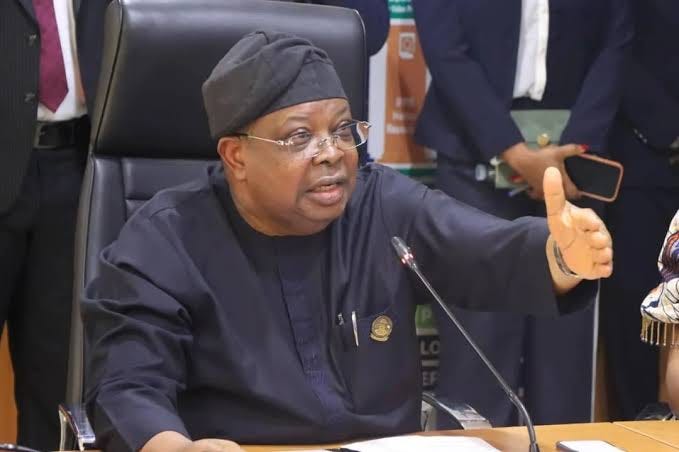
The Minister of Power, Joseph Tegbe, has inaugurated new transmission projects in Kano and Katsina States. The projects aim to strengthen bulk electricity supply. They also aim to ease pressure on existing facilities. The Transmission Company of Nigeria executed them. The World Bank provided funding support.
Kano is northern Nigeria’s largest commercial hub. Its industries and traders depend on electricity. The state needs about 1,000 megawatts. It currently receives about 300 megawatts or less. The gap forces businesses onto generators. That raises costs. Katsina faces similar constraints. Successive governments promised transmission upgrades. The current projects are the latest attempt. Reliability depends on generation and distribution as well as transmission.
In Kano, Tegbe inaugurated projects at Walalambe, Kumbotso, Dakata and Dan Agundi substations. The projects include 2x40MVA, 132/33KV transformers at Walalambe. Kumbotso received 330/132KV and 100MVA, 132/33KV transformers. Dakata and Dan Agundi each received an additional 1x100MVA, 132/33KV transformer. A dedicated 33KV feeder was provided to Lee Group of Companies, which had operated off-grid for over 30 years.
In Katsina, the Kankia substation received 2x60MVA, 132/33KV transformers. That raised installed capacity from 60MVA to 150MVA, equivalent to 120 megawatts. Tegbe also performed the groundbreaking for a new 132/33KV Mashi substation with two 60MVA transformers. When complete, it will add 96 megawatts. He inspected the new 200MVA gas-insulated substation at the 330kV Katsina Substation.
Kano Governor Abba Kabir-Yusuf said the state needs 1,000 megawatts. He said it receives about 300. He said the state paid ₦2 billion in compensation and allocated land to 750 project-affected persons. Katsina Governor Dikko Radda thanked President Tinubu for approving three substation projects. TCN Managing Director Sule Abdulaziz said the projects address capacity limitations. He urged communities to protect the infrastructure from vandalism.
Winners: Kano and Katsina industries, which gain capacity. TCN, which shows delivery. The Federal Government, which gains visibility. The World Bank, which gains a partner. Communities near substations, which gain supply. Losers: Vandalism, which faces resistance. States without similar projects. Taxpayers, if the infrastructure is not maintained. Consumers, if distribution remains weak.
Bottom Line: New transformers are live. Kano needs 1,000MW, receives 300MW. The gap is not closed. Transmission is one link. Generation and distribution matter. The projects help. They do not solve.