


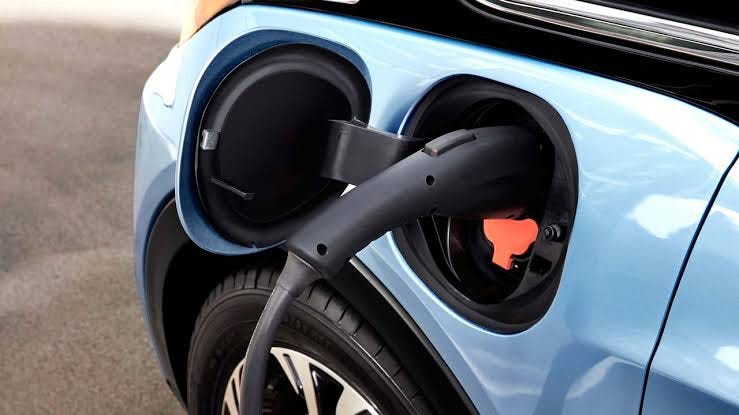
A new e-hailing service will begin operations in Abuja on 1 October 2026, targeting 1,000 drivers with electric vehicles. The platform, developed by PromiseLand Innovations Limited, is designed to promote electric mobility as an alternative to petrol-powered transportation.
Lawrence Oloche, chief executive of PromiseLand Innovations, said the initiative would empower 1,000 families with brand-new electric vehicles. Prospective drivers will register, undergo screening and complete verification before onboarding. The company will provide eligible drivers with vehicles and a digital platform through which they can offer transportation services and earn income.
The use of rechargeable electric vehicles is intended to reduce dependence on petrol-powered vehicles and help drivers manage operating costs amid changes in global energy prices. Passengers will book rides, access trip information and make payments through an Android and iPhone application. The platform will provide driver verification, real-time trip tracking, ratings and reviews, and location-sharing features aimed at improving transparency and passenger safety.
This mirrors the federal government’s push for compressed natural gas and electric vehicles under the Presidential Initiative on CNG and Electric Vehicles. The initiative seeks to lower transport costs and emissions by promoting alternative fuels. But the infrastructure for electric vehicles in Nigeria remains thin. Charging stations are scarce. The electricity grid is unreliable. The upfront cost of electric vehicles is higher than petrol equivalents.
The strategic logic is clear. Fuel is the largest operating cost for ride-hailing drivers. Electric vehicles can cut that cost significantly. But the model depends on reliable charging infrastructure, which PromiseLand has not detailed. The company said the service will initially operate in Abuja before expanding to other parts of Nigeria, with longer-term plans to take the platform beyond the country. It also has interests in real estate development through PromiseLand Estate.
The e-hailing market in Nigeria is dominated by Bolt and InDrive. A new entrant focused on electric vehicles will need to differentiate on cost and reliability. The October 1 launch date coincides with Nigeria’s Independence Day, a symbolic choice for a company positioning itself as part of a cleaner transportation future.
Winners and Losers
Winners: PromiseLand Innovations, which enters a growing market with a differentiated product. 1,000 drivers, who gain access to vehicles and income opportunities. Passengers, who may benefit from lower fares if electric vehicles reduce operating costs.
Losers: Petrol-powered ride-hailing drivers, who face competition from a lower-cost alternative. Bolt and Uber, which face a new entrant in Abuja. The electricity grid, which will bear additional demand if the fleet scales.
Bottom Line: Electric mobility is coming to Nigerian ride-hailing. The question is whether the charging infrastructure arrives with it.