


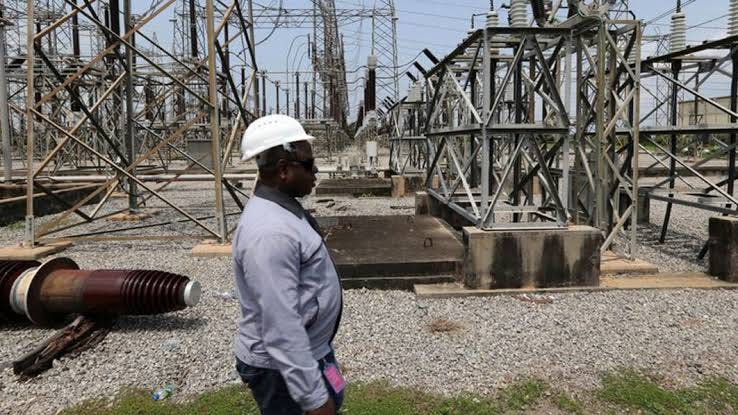
The Nigerian Electricity Regulatory Commission (NERC) published financial metrics detailing ₦1.928 trillion in tariff support allocation aimed at stabilising energy supply while grid transition projects expand. The allocation is intended to bridge the gap between the cost of electricity and the tariffs paid by consumers.
The tariff support is a significant subsidy that is intended to keep electricity affordable for consumers. The government has been struggling to maintain subsidies while also investing in the grid. The allocation reflects the government’s commitment to stabilising the power sector. The success of the support will depend on its impact on the stability of the grid and the financial health of the distribution companies. The winners: electricity consumers, who benefit from subsidised tariffs; and the Nigerian government, which is stabilising the power sector. The losers: the Nigerian government, which bears the cost of the subsidy; and the Nigerian public, who must wait for the benefits.
Bottom Line: ₦1.928 trillion has been allocated for tariff support. The power sector is being stabilised. The question is whether the subsidy will be sustainable or lead to more debt.