


The Nigerian Export Promotion Council has declared that Nigeria’s economic future lies beyond crude oil. It called on domestic exporters to improve product packaging, labelling and compliance. The call comes ahead of Phase Two of the National Single Window export rollout. The Single Window is a trade facilitation system designed to reduce port delays and documentation costs. It has been promised for years. Phase One has been slow.
The mechanics matter. Packaging and standards are the difference between a product that sells and a product that sits in a warehouse. Nigerian exports often fail international standards because of poor labelling, inconsistent quality and inadequate certification. A cocoa exporter in Ondo or a sesame trader in Jigawa can produce good raw materials. Without proper packaging and documentation, those materials command lower prices or get rejected. The Single Window can speed up clearance. It cannot fix quality.
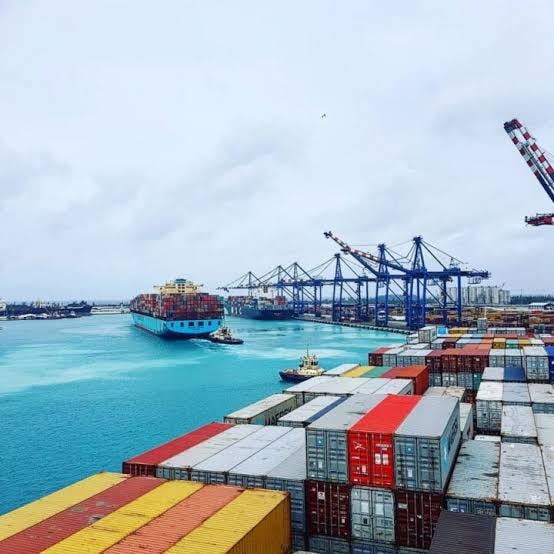
The historical echo is the 2016 recession, when the government pushed non-oil exports after oil prices collapsed. The push faded when oil prices recovered. The winners are exporters who comply with standards and the NEPC, which gains a policy platform. The losers are informal exporters who cannot afford certification and the oil-dependent economy, which remains vulnerable to price shocks.
Winners: Exporters who comply; the NEPC; the National Single Window project.
Losers: Informal exporters facing certification costs; the oil-dependent economy.
Bottom Line: Non-oil exports are the future. Without investment in standards and packaging, they will remain a promise rather than a plan.
Packaging and labelling being the gap, not the crop, is something a cocoa or sesame exporter feels directly in the price. A cheap way to start is to get one buyer's written spec sheet and match it exactly before chasing a second market. Has anyone here shipped even a small export order, and what requirement caught you off guard?