


The National Economic Council (NEC), chaired by Vice President Kashim Shettima, reported Q1 2026 GDP growth of 3.89% and endorsed the revised National Social Protection Policy, urging governments to maintain policy consistency leading into 2027. The GDP growth figure reflects the continued recovery of the Nigerian economy, driven by improved performance across oil, manufacturing, agricultural and services sectors.
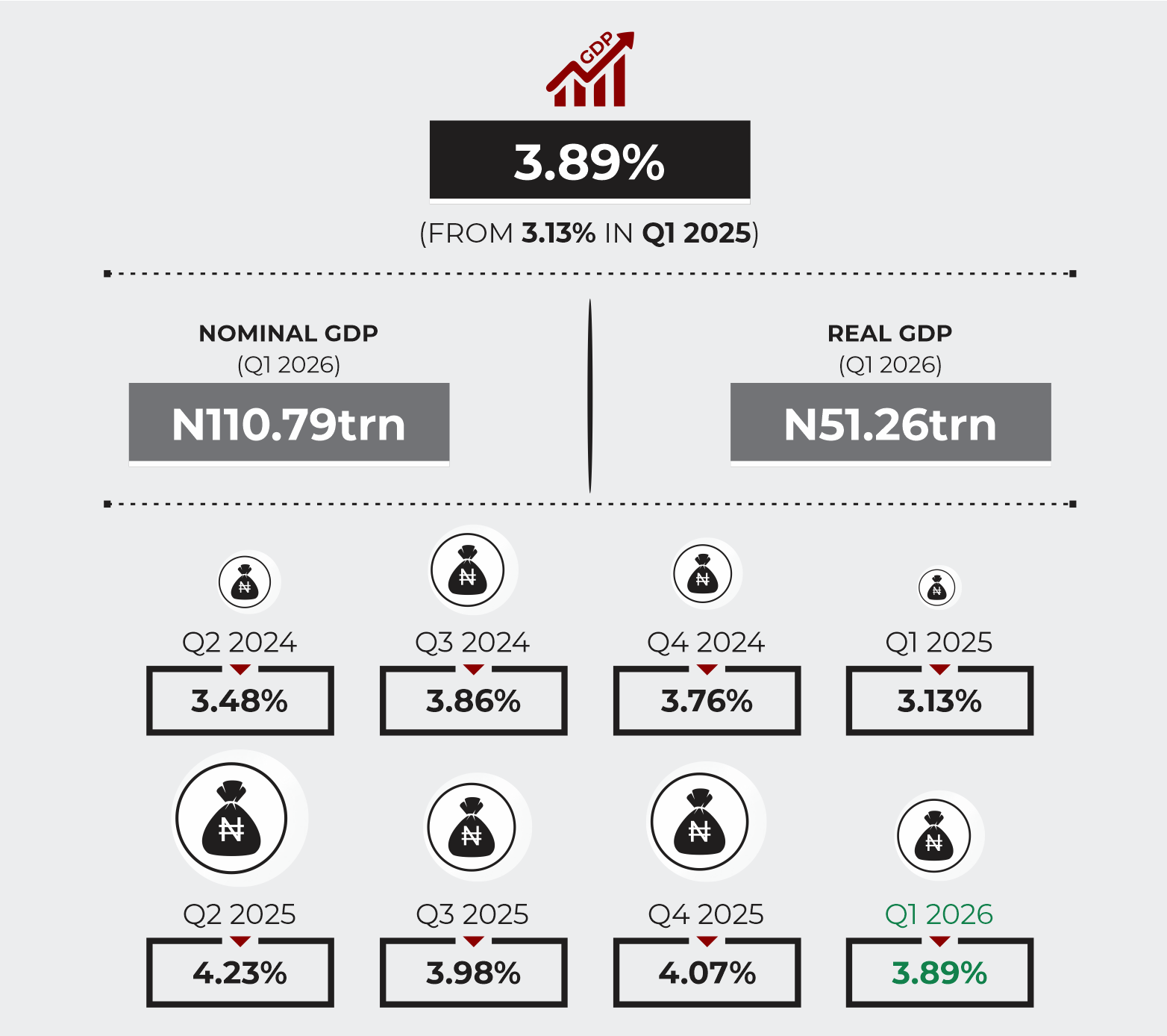
The endorsement of the National Social Protection Policy recognises that economic growth must be inclusive. The policy is designed to provide a safety net for the most vulnerable Nigerians, including the poor, the elderly and persons with disabilities. The NEC’s call for policy consistency warns against the kind of pre-election spending that has undermined previous reform efforts. The council’s endorsement of the policy is a significant step, but its success will depend on implementation.
This echoes the 2020 National Social Protection Policy, which also sought to provide a safety net for vulnerable Nigerians. The mechanism then was different, but the result was the same: a policy that required implementation.
The winners: the Nigerian economy, which is growing; and the vulnerable Nigerians who will benefit from the social protection policy. The losers: those who have not felt the benefits of the growth; and the Nigerian government, which must ensure the policy is implemented effectively.
Bottom Line: The economy is growing at 3.89%. A social protection policy is endorsed. The question is whether the growth will be inclusive and whether the policy will be implemented.