


The National Economic Council (NEC) has approved an additional ₦130 billion to rehabilitate police training institutions across Nigeria, raising the programme’s total funding commitment to ₦230 billion.
The decision was reached on Monday, 23 November, during NEC’s 162nd meeting, chaired by Vice-President Kashim Shettima. The council had earlier approved ₦100 billion for the programme following President Bola Tinubu’s recommendation in October 2025.
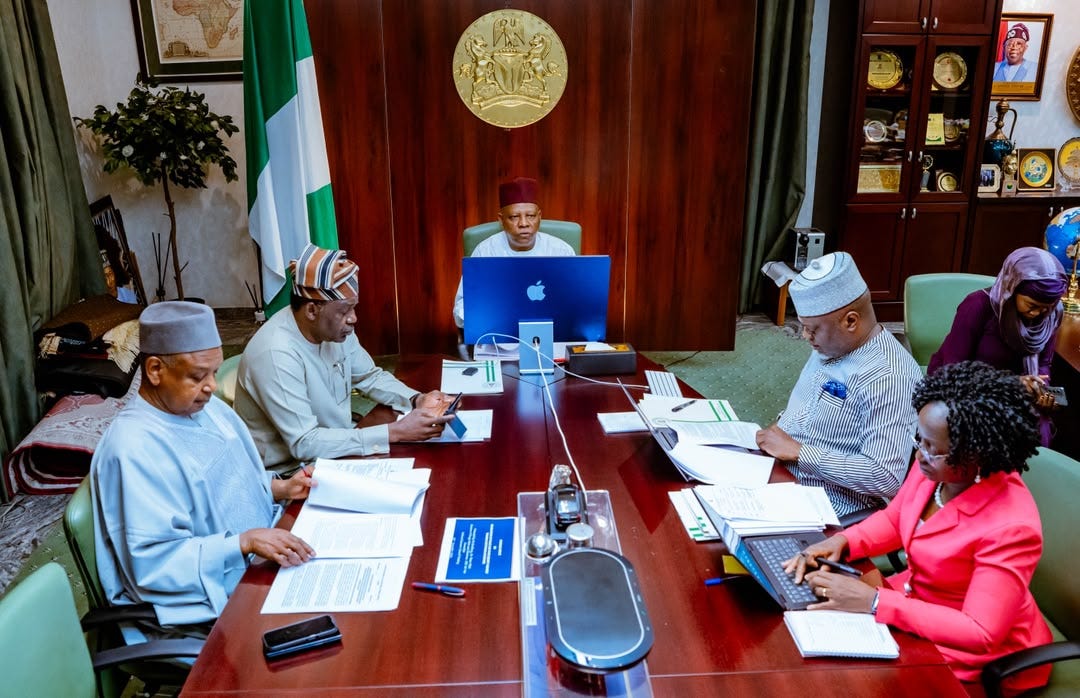
Enugu State Governor Peter Mbah, who chairs the NEC committee overseeing the rehabilitation, reported that construction was underway at 13 locations nationwide. Work had reached approximately 30 per cent completion.
The additional funding is intended to accelerate construction, upgrade training facilities and prepare the institutions for the planned recruitment of 50,000 police personnel. The investment also comes as Nigeria moves towards establishing state police.
The condition of police training institutions matters because recruitment alone cannot improve security. Officers need adequate accommodation, classrooms, equipment, instructors and practical training. Poor facilities can weaken preparation before recruits are deployed to communities.
The proposed recruitment of 50,000 personnel also raises questions about deployment and funding after training. More officers could improve police presence, but the government must provide the vehicles, communications equipment, weapons, salaries and supervision required for effective policing.
The timing is significant. Nigeria is considering a major restructuring of its policing system, with state police expected to give state governments greater responsibility for local security. The constitutional amendment process has advanced, but the country still needs a clear legal and operational framework for implementation.
The potential beneficiaries include police recruits, serving officers and communities that need a stronger security presence. Contractors and suppliers involved in the rehabilitation will also benefit from the investment. However, taxpayers will carry the cost, making transparent procurement and proper supervision essential.
The government must publish clear details of the projects, including the institutions being rehabilitated, contract costs, completion timelines and standards expected of the facilities. The reported 30 per cent completion rate provides a starting point for monitoring progress.
The wider security challenge will not disappear through infrastructure spending alone. Nigeria needs accountable policing, effective intelligence, community cooperation and investigations that lead to successful prosecutions.
Bottom Line: ₦230 billion can improve police training infrastructure, but the investment must produce better-trained officers and measurable improvements in public security.