


The National Commission for Refugees, Migrants and Internally Displaced Persons (NCFRMI) has returned about 50,000 Nigerian refugees. The commission also manages over 6.7 million displaced persons. The Federal Commissioner, Aliyu Ahmed, disclosed this at an event marking his three years in office. The event held on Friday in Abuja.
Nigeria’s displacement crisis is one of the largest in Africa. Insurgency in the northeast, banditry in the northwest and farmer-herder violence in the north-central have displaced millions. The NCFRMI was established in 1989. Its mandate covers refugees, migrants and IDPs. For years, the commission focused on camp management and cash transfers. In 2023, the government announced a shift to durable solutions. The goal was to move people from dependence to self-reliance. The current figures reflect that shift.
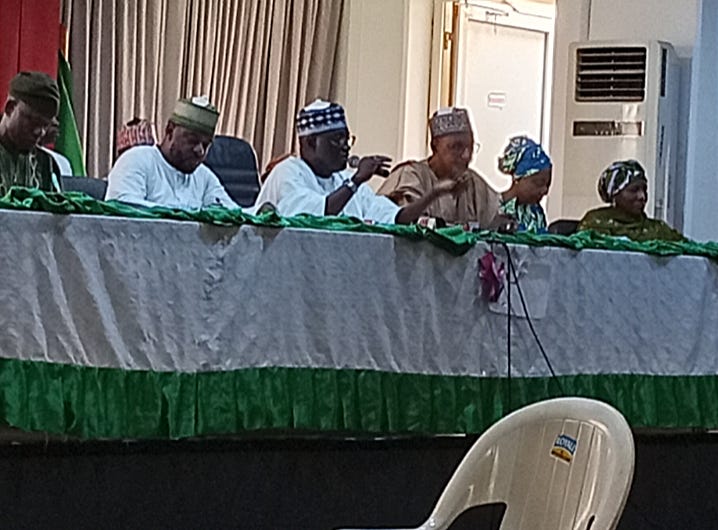
Ahmed said the commission returned about 50,000 Nigerian refugees in the last three years. They came from Cameroon, Niger, Chad and Liberia. Recently, 1,400 Nigerians returned from South Africa. The commission also manages refugees from other countries living in Nigeria. Ahmed said the commission takes care of both displaced persons and host communities. “You cannot attend to only the displaced individuals; you must equally consider those who are receiving these IDPs,” he said.
The commission is working on a robust data management system. A consultant has been engaged. The goal is to have authentic and reliable data on migrants and displaced persons.
Ahmed said the commission has moved to durable solutions. “The Federal Government cannot continue to fend for this 6.7 million displaced Nigerians,” he said. The commission has engaged IDPs in farming. It provides training so they can fend for themselves. It also provides education for displaced children. “Once we allow those children to live in camps without being educated, we are more or less rearing criminals in our societies,” he said. The commission has taken it upon itself to provide education for displaced children in camps.
Winners: The 50,000 returned refugees. IDPs who receive training and education. Host communities, which gain support. The NCFRMI, which demonstrates results.
Losers: The 6.7 million still displaced. IDPs in camps without access to training. Children without education. The commission, if data systems fail. Taxpayers, if durable solutions do not materialise.
Bottom Line: Fifty thousand returned. Six point seven million remain. The shift from handouts to farming and training is sensible. It is also slow. Nigeria’s displacement crisis is not shrinking. The commission is managing it. It cannot solve it alone.