


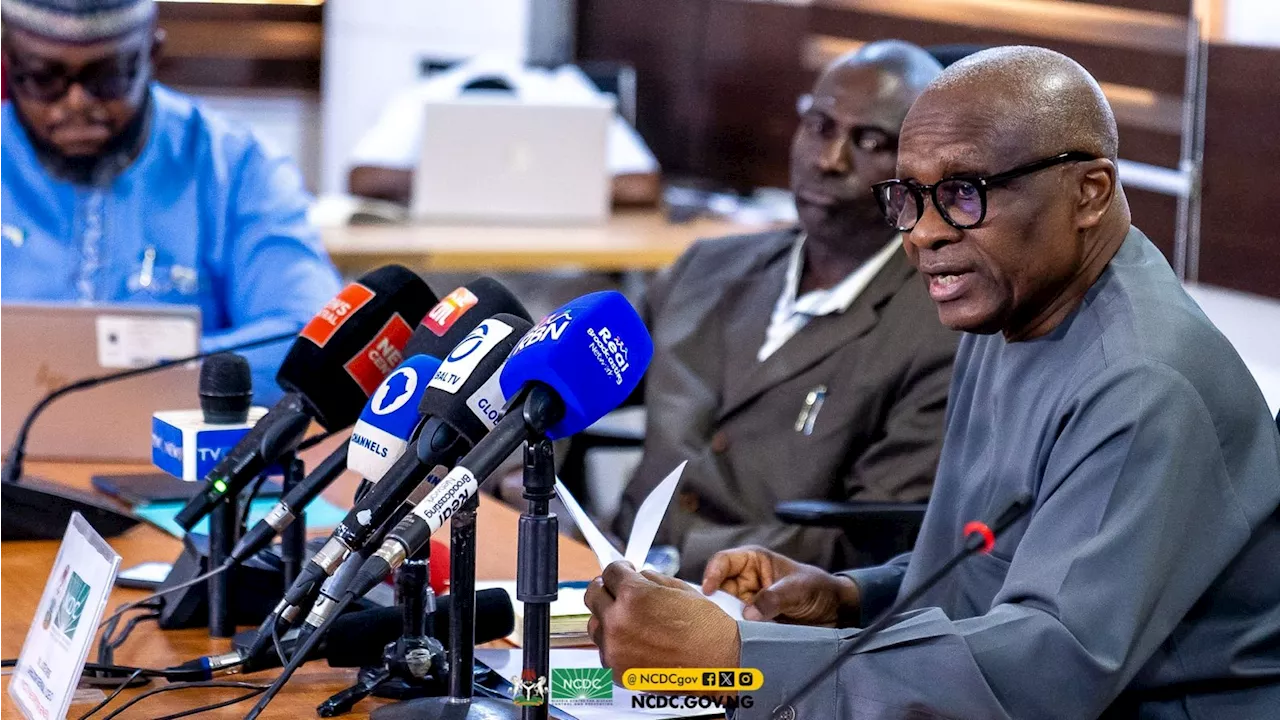
The Nigeria Centre for Disease Control and Prevention has clarified the purpose of the ₦10 billion health security fund. The Director-General, Jide Idris, said the money was released to strengthen Nigeria’s broader health security system. It was not exclusively for Ebola preparedness. The clarification followed public debate about the allocation.
Nigeria confirmed its first Bundibugyo Ebola case in the Federal Capital Territory on 20 October 2026. The patient was a 42-year-old woman who travelled from Uganda. She arrived in Abuja through Addis Ababa on 3 October. She developed symptoms four days later. She visited two private health facilities before the NCDC was notified on 19 October. Her infection was confirmed the following day. Contacts were traced. The government set up a presidential task force. The fund was approved in June 2026, before the case. That detail was lost in the public debate.
Idris said the funding request covered prevention, preparedness, early detection and rapid response to several threats. These include Ebola, Lassa fever, cholera and meningitis. Others are diphtheria, measles, Mpox and antimicrobial resistance. He said the money went directly to the NCDC, not to the Presidential Task Force on Ebola, which is chaired by the Chief of Staff. The task force coordinates the response. The NCDC manages the funding.
He said the ₦10 billion is inadequate. The National Action Plan for Health Security 2.0, covering 2025 to 2029, requires about ₦522 billion over five years. That is an average of ₦104.4 billion annually. The ₦10 billion represents about two per cent of the annual requirement. The gap is enormous.
Idris said Nigeria currently has no active Ebola case. The imported infection was managed. Contacts are under daily monitoring for 21 days. He urged the public not to panic.
Winners: The NCDC, which clarified the record. The public, if misinformation is contained. Health workers, if funding reaches them. Losers: Critics who assumed the fund was Ebola-specific. The health system, which remains underfunded. Nigerians, who face other outbreaks without adequate resources. The government, which approved a fraction of the need.
Bottom Line: ₦10 billion for all outbreaks, not just Ebola. That is 2 per cent of what the plan requires. The NCDC is managing. It is not funded. Lassa fever has killed 268 people this year. Cholera and measles continue. The fund is a start. It is not a solution.