


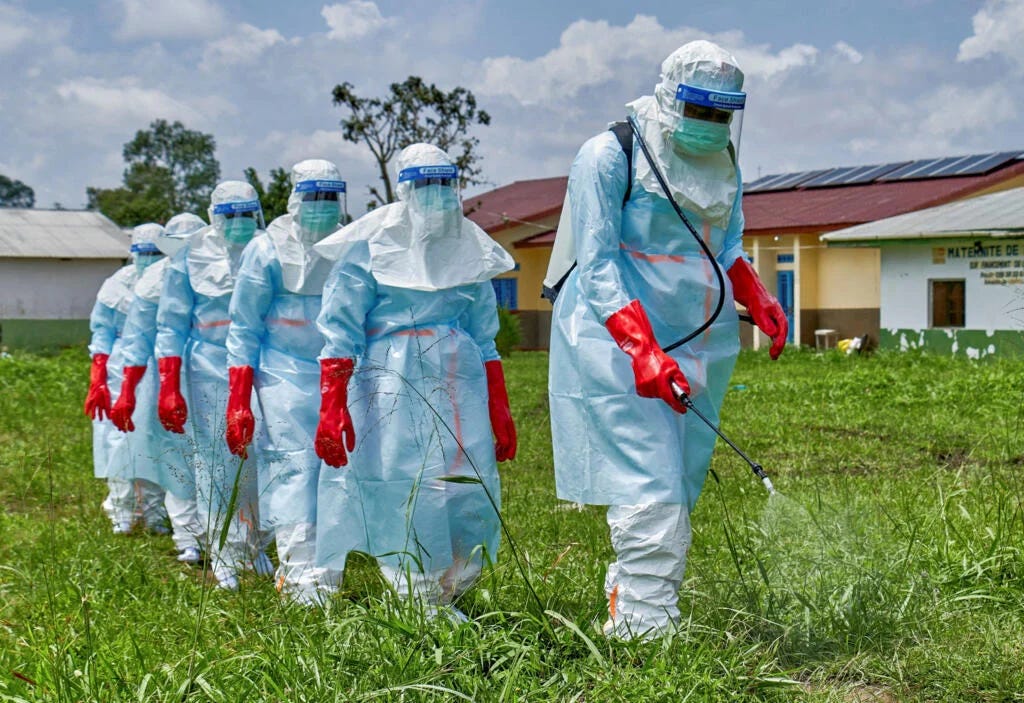
The Nigeria Centre for Disease Control and Prevention has confirmed a case of the Bundibugyo Ebola strain in the Federal Capital Territory. The agency deployed digital tracking tools. It urged citizens to rely on verified public health information. The case was confirmed this week. The patient is isolated. Contact tracing is underway.
Bundibugyo is one of the four Ebola virus species known to cause human outbreaks. It was first identified in Uganda in 2007. It has a lower fatality rate than the Zaire strain. It is still dangerous. Nigeria’s last major Ebola encounter was in 2014, when a Liberian diplomat imported the virus to Lagos. That response was widely praised. It relied on rapid contact tracing and isolation. The current response draws on that playbook. Digital tools are a newer addition. They were used during COVID-19 and Lassa fever outbreaks.
The NCDC said the Bundibugyo case is isolated in a treatment facility. It did not disclose the patient’s identity or travel history. It said contact tracing has begun. Digital platforms will track contacts and monitor symptoms. The agency urged the public not to spread unverified claims. It said its official channels will publish updates.
The case is rare for Nigeria. Most Ebola concerns have come from the northeast and cross-border traffic. The FCT location raises the stakes. Abuja is a transport hub. Movement is high. A single missed contact could seed wider transmission. The NCDC’s digital tools allow real-time monitoring. Health workers in designated facilities have been alerted. Personal protective equipment has been distributed.
The public reaction was mixed. Some recalled the 2014 response. Others worried about misinformation. The NCDC has faced criticism over communication in past outbreaks. Its current messaging emphasises verification. That is sensible.
Winners: The NCDC, which demonstrates preparedness. Health workers, who gain tools. Contacts, who gain monitoring. The public, if transmission is contained. Losers: The patient, who faces illness and isolation. Contacts under monitoring. Health workers facing risk. The FCT health system, which faces strain. Anyone exposed to misinformation.
Bottom Line: Nigeria has a Bundibugyo Ebola case in Abuja. The NCDC is tracing contacts digitally. The response is faster than 2014. The risk is not zero. Citizens should use official channels. Panic spreads faster than the virus.