


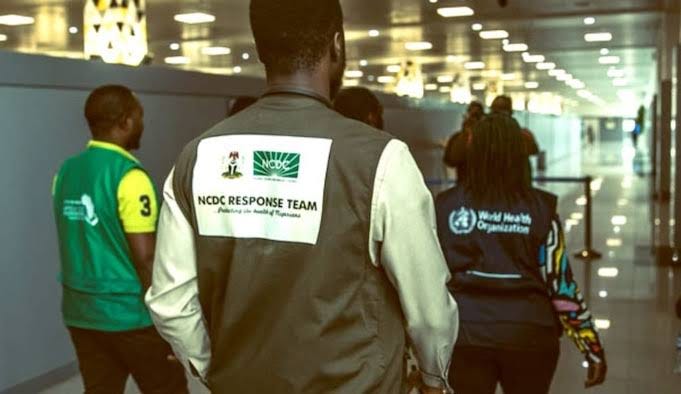
The Nigeria Centre for Disease Control and Prevention has activated real-time digital tracking. The system covers high-burden states. These include Bauchi, Ondo and Taraba. The goal is to trace outbreaks and manage containment protocols. The NCDC said the system will improve response times.
Nigeria faces recurring disease outbreaks. Lassa fever, cholera, measles and yellow fever are common. The NCDC has struggled with data collection. Reports are often delayed. Laboratory confirmation takes time. The 2024 cholera outbreak exposed gaps. The current system uses digital tools. It allows real-time reporting from health facilities. It tracks cases, contacts and outcomes. It links laboratories to response teams. The system is part of a broader surveillance upgrade.
The NCDC said the system will improve outbreak detection. It will speed up response. It will help contain spread. The high-burden states are prioritised. Lassa fever is the immediate concern. The 2026 outbreak has killed 268 people. The fatality rate is 23.6%. Five states carry 88% of cases. Ondo, Bauchi and Taraba are among them. The digital system will track cases in those states. It will alert response teams. It will monitor treatment centres.
The system requires infrastructure. Power supply is unreliable. Internet coverage is uneven. Health workers need training. The NCDC has trained staff in the priority states. It has distributed devices. It has activated incident management systems. The success depends on implementation.
Winners: The NCDC, which shows innovation. Health workers, who gain tools. Patients, who gain faster response. Communities, which gain protection. Losers: States without the system. Health workers without training. The outbreak, if containment fails. Taxpayers, if the system is underfunded.
Bottom Line: The NCDC activated digital tracking. It targets high-burden states. It will trace outbreaks. It will manage containment. The system is a tool. Implementation is the test. Lassa fever kills. Early detection saves lives.