


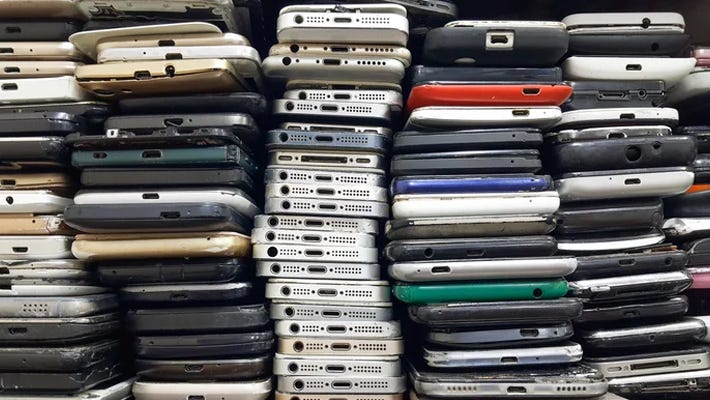
The Nigerian Communications Commission has registered approximately 231 million telecommunications devices. The commission is implementing a verification system. The system is designed to prevent counterfeit, cloned and unapproved phones from accessing mobile networks. Existing subscribers do not need to take any action. Newly introduced devices must meet verification requirements before they can access networks.
Counterfeit phones are a persistent problem in Nigeria. They interfere with network infrastructure. They affect service quality for other subscribers. They also pose health risks. Section 132(2) of the Nigerian Communications Act 2003 requires equipment to receive regulatory approval before sale or use. Enforcement has been weak. The NCC introduced Type Approval Business Rules in August 2024. The verification framework builds on those rules.
Edoyemi Ogoh, Director of Technical Standards and Network Integrity at the NCC, disclosed the figures at a media briefing in Abuja on Tuesday. He said devices already operating on networks have been automatically registered. “The subscriber does not have to do anything,” he said. The commission will not retrospectively disconnect devices already connected before the new system became operational. “We are not blacklisting those that have come up before this,” Ogoh said. The decision protects consumers who purchased devices when verification tools were not available.
The commission is working with the Nigeria Customs Service, manufacturers, importers and dealers to authenticate devices before they enter the market. The system identifies importers, import dates and quantities. It supports enforcement against counterfeit products. Ogoh said counterfeit and faulty devices contribute to poor service. He stressed that the system is not a surveillance tool. “It does not provide access to personal information stored on devices,” he said. Consumers can dial *315# or visit the NCC’s Device Checker portal to verify their phones.
Winners: Consumers, who gain protection. NCC, which asserts regulatory control. Legitimate manufacturers, who face less unfair competition. Network operators, which gain quality. Losers: Counterfeiters, who face enforcement. Importers of unapproved devices, who lose business. Consumers who bought unverified devices, who must seek replacements. The black market, which faces disruption.
Bottom Line: The NCC registered 231 million devices. Verification has begun. Counterfeit phones will be blocked. Existing users are protected. New devices must comply. The system is not surveillance. It is quality control.