


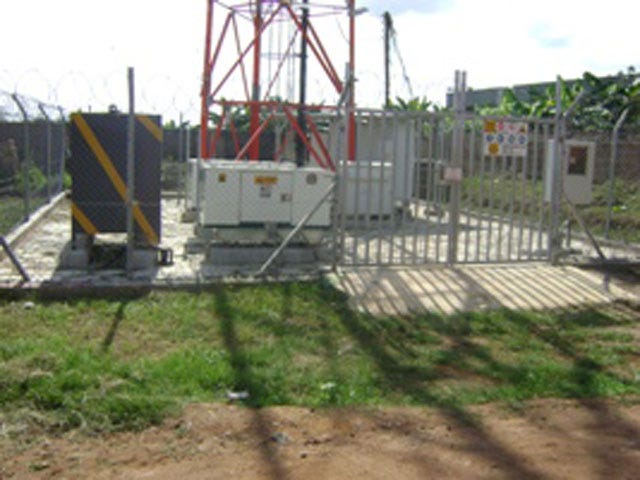
The Nigerian Communications Commission (NCC) and the Rural Electrification Agency (REA) have signed an agreement to power telecom towers with renewable mini-grids, a move that could significantly reduce the industry’s dependence on diesel generators and accelerate broadband expansion. The pact, signed at an NCC-REA stakeholder workshop in Abuja, marks a shift in how Nigeria plans critical infrastructure, integrating electricity and telecommunications projects rather than developing them independently.
For mobile network operators, energy costs are among the largest operating expenses. Thousands of base stations across the country rely on diesel generators due to unreliable grid supply, making network expansion into rural areas commercially unviable. Under the memorandum of understanding, REA and NCC will coordinate infrastructure plans, allowing telecom operators to tap into renewable energy projects, particularly mini-grids, to power base stations, fibre optic relay sites and other communication facilities. The agencies will also share geospatial data on existing and planned projects to identify communities lacking both power and digital connectivity.
NCC Executive Vice Chairman Aminu Maida, represented by Technical Services Executive Abraham Oshadami, said reliable power and digital connectivity should no longer be treated as separate development goals. REA Managing Director, represented by Technical Services Executive Umar Abdullahi Umar, noted that renewable mini-grids offer a cleaner and more sustainable alternative to diesel-powered sites.
The partnership also explores co-locating telecommunications equipment on REA-developed energy assets where possible, reducing construction costs and speeding up deployment. For renewable energy developers, the initiative opens a new commercial market by creating long-term demand for mini-grid projects serving both households and telecom infrastructure. If successfully implemented, the NCC-REA collaboration could become one of Nigeria’s most significant infrastructure reforms, demonstrating that expanding broadband access depends not just on laying fibre and building towers, but on providing the reliable power needed to keep digital networks running.
This echoes the 2010s efforts to integrate power and telecom infrastructure, which were often hampered by regulatory silos. The mechanism then was different, but the result was the same: a recognition that energy and connectivity are two sides of the same coin.
The winners: telecom operators, who stand to reduce one of their biggest operating expenses; rural communities, which gain both power and connectivity; and renewable energy developers, who gain a new market. The losers: diesel suppliers, who lose a major customer; and the national grid, which faces competition from decentralised power solutions.
Bottom Line: Nigeria’s telecom towers are going green. The NCC and REA are working together to cut diesel costs and expand broadband. The question is whether the partnership can scale beyond the pilot phase.