


Navanethem “Navi” Pillay has won the 2026 Nobel Peace Prize. The Norwegian Nobel Committee announced the award in Oslo on Friday. It honoured her “for her efforts to promote peace and international law”. She is the first South African to win the prize since Nelson Mandela in 1993.
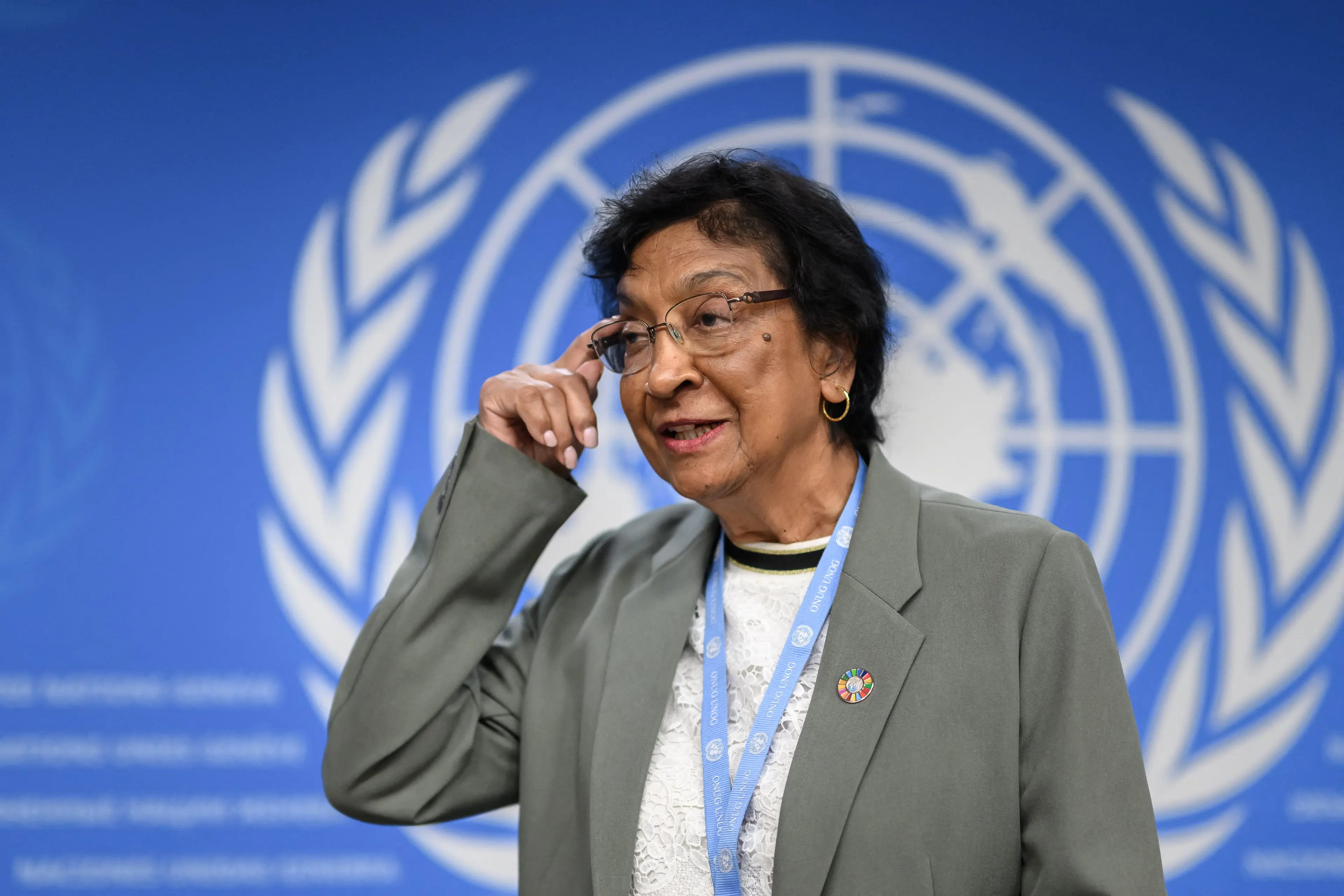
Pillay was born in Durban in 1941 to a family of Indian Tamil descent. She founded her own law firm in 1967, the first woman to practise in Natal province. She defended anti-apartheid activists, exposed torture, and secured rights for prisoners on Robben Island. In 1995, she was appointed to the High Court of South Africa. She served eight years at the International Criminal Tribunal for Rwanda, four as its president. Her jurisprudence established that rape and sexual violence could constitute genocide and crimes against humanity. From 2008 to 2014, she was the UN High Commissioner for Human Rights. She later chaired the UN Commission of Inquiry on the Occupied Palestinian Territory, concluding that Israel committed genocide in Gaza.
The committee cited her as “a person who with exceptional courage and integrity has led the way towards a more comprehensive global legal order”. It said she was “instrumental in ensuring that war crimes, crimes against humanity and genocide are prosecuted”. It also warned that international law is under political attack. “The ability to resolve conflicts without force or violence is dependent on the international rule of law”.
Pillay reacted with characteristic dry humour. “It must be a joke,” she said. “But, being a lawyer and a judge, I still want to verify this thing.” She added: “If you clap a little bit more I may share this prize with Trump”. She remains an ad hoc judge at the International Court of Justice in The Gambia v. Myanmar genocide case.
Winners: Pillay, who gains recognition. South Africa, which gains a laureate. International law, which gains a defender. Victims of genocide and war crimes, whose cause is elevated. Losers: Impunity, which faces a spotlight. Governments accused of atrocity crimes. Critics of the ICC and international tribunals. The politics of resentment that Pillay’s joke about Trump exposed.
Bottom Line: Pillay has spent six decades building a legal order that holds power accountable. The Nobel Committee says that order is under attack. Her award is a reminder that justice is not automatic. It is built by judges who refuse to look away.