


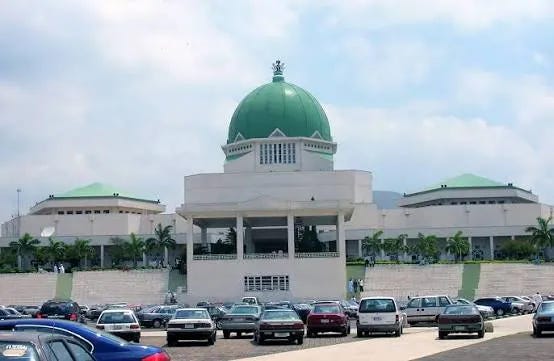
The leadership of both the Senate and the House of Representatives have confirmed that legislative activities will resume on 29 September. The break followed structural renovation works across the National Assembly complex.
The National Assembly complex has a long history of infrastructure decay. In 2019, leaking roofs and crumbling ceilings forced emergency repairs. In 2021, a contractor walked off site over unpaid bills. In 2022, the complex faced a fire incident in the chamber. Successive leaderships promised a full overhaul. Funding was approved. Delivery lagged. The current renovation is the latest in a series of attempts to bring the building to a habitable standard.
The resumption date signals that the renovation works have reached a stage where legislators can return. The break allowed contractors access to the chambers and office wings. The National Assembly will return to a crowded legislative calendar. The 2027 budget cycle will begin soon. Electoral legislation and constitutional amendment bills remain pending. Committee oversight work has been suspended during the recess. Agency heads have used the gap to avoid scrutiny.
The optics matter. The National Assembly is one of the most expensive legislatures in the world relative to the size of the economy. Nigerians have questioned the value of the institution. A renovated complex does not change that perception. What changes it is legislation that improves lives. On that metric, the record is mixed. The 2022 Electoral Act was a genuine reform. The 2023 budget was padded with questionable items. The 2024 and 2025 sessions saw minimal high-impact legislation.
The leadership’s priority in the new session will determine whether the renovation is cosmetic or consequential. Security, tax reform and electoral integrity all sit on the table. So does the Foreign Aid Bill, which has drawn opposition from civil society over its implications for civic space.
Winners: Legislators, who return to a renovated complex. Contractors, who completed the works and earned payment. Staff, who gain better working conditions. Losers: Taxpayers, who funded the renovation amid broader infrastructure deficits. Agencies that face renewed oversight. Nigerians, if the session produces little of substance. The opposition, if the majority sets a legislative agenda that excludes its priorities.
Bottom Line: A renovated National Assembly is a small thing. Whether the new session produces a functioning one is the test.