


The National Agency for the Prohibition of Trafficking in Persons has recorded 70 cases in Bauchi State. It secured three convictions from January to October 2026. The state coordinator, Atiku Kalli, disclosed the figures in an interview on Monday. He said other cases are ongoing in various courts.
Bauchi is a source and transit state for human trafficking. Victims are recruited from rural communities and moved to cities or abroad. In 2023, NAPTIP rescued dozens of victims in the state. In 2024, similar operations continued. The agency has faced resource constraints. Prosecutions are slow. Convictions are rare. The three secured this year are significant.
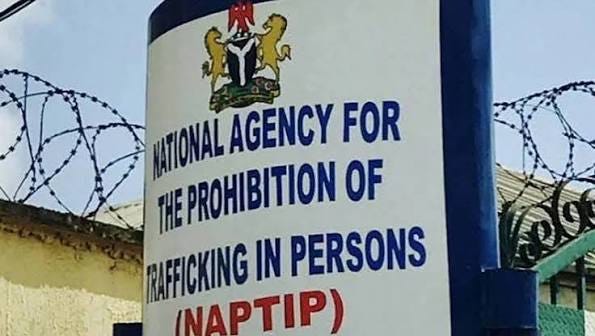
Kalli said the agency recorded 70 cases, including 25 victims rescued from trafficking situations involving foreign countries. The rescues were done in collaboration with the International Organization for Migration. “The agency, in collaboration with relevant stakeholders, is working to receive, profile and reintegrate returned migrants into their communities,” he said.
NAPTIP intensified sensitisation campaigns. It reached more than 50 communities in Bauchi through physical engagements. It visited schools, motor parks and local communities. It engaged women’s groups on trafficking and gender-based violence. It used radio and television programmes to reach millions. Kalli identified prevention, protection, prosecution, partnership and policy as the agency’s five strategic approaches.
The agency has commenced investigations into complaints involving agents allegedly recruiting girls from rural communities to cities. Kalli said NAPTIP was collaborating with stakeholders to protect women, children and other vulnerable persons.
Winners: Rescued victims, who regain freedom. NAPTIP, which demonstrates capacity. Communities, which gain awareness. The IOM, which gains a partner. Losers: Traffickers, who face prosecution. Their networks, which are disrupted. Victims still in captivity. Rural families, who remain vulnerable. The justice system, if convictions remain slow.
Bottom Line: Seventy cases, three convictions. NAPTIP is working. But three convictions from 70 cases is a poor ratio. Traffickers exploit weak prosecution. The agency needs more resources. The courts need to move faster. Victims need justice, not just rescue.