


The naira weakened 0.55 per cent to ₦1,358.34 to the dollar on 11 November. The street rate reached ₦1,430, the weakest in 10 months. External reserves stood at $54.93 billion on 9 November. The official and street rates are diverging again. That gap is a warning.
The mechanics matter. When the official rate and the street rate diverge, importers and traders find ways to access the cheaper official rate and sell at the street rate. That arbitrage drains reserves. The reserves are still substantial. But the direction matters. A weaker street rate signals that demand for dollars is rising faster than supply.
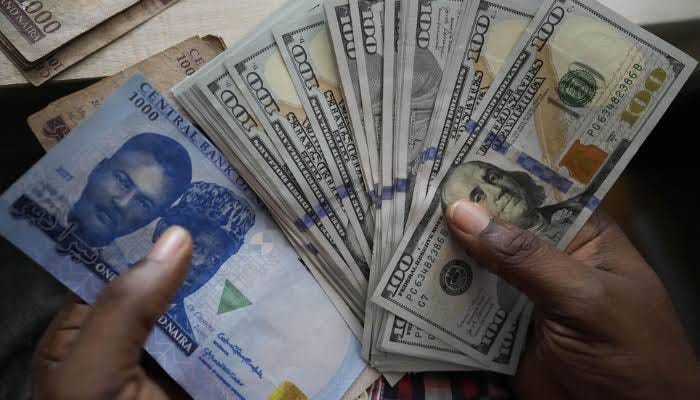
This mirrors the 2016 currency crisis, when the official rate was pegged and the street rate diverged sharply. The government eventually devalued. It also echoes the 2024 devaluation, when the naira was allowed to float. The float narrowed the gap for a time. The gap is widening again. The winners are traders who can arbitrage the two rates and exporters who earn dollars. The losers are importers facing higher costs, households facing imported inflation, and the CBN, which must defend the currency with reserves.
Winners: Traders who can arbitrage the gap; exporters earning dollars.
Losers: Importers; households facing imported inflation; the CBN defending the currency.
Bottom Line: A widening gap between official and street rates is a warning. The CBN must close it before reserves pay the price.