


The naira depreciated to ₦1,440 per dollar on the official market, according to Thursday’s closing rate. Over the same period, Nigeria’s external reserves fell by $406 million. The two numbers move together more often than the Central Bank of Nigeria (CBN) likes to admit: a weaker currency raises the naira value of dollar liabilities and makes intervention more expensive. At a forum in Lagos, financial experts urged deeper capital market integration to fund long-term infrastructure, arguing that the fiscal space for big-ticket borrowing has closed.
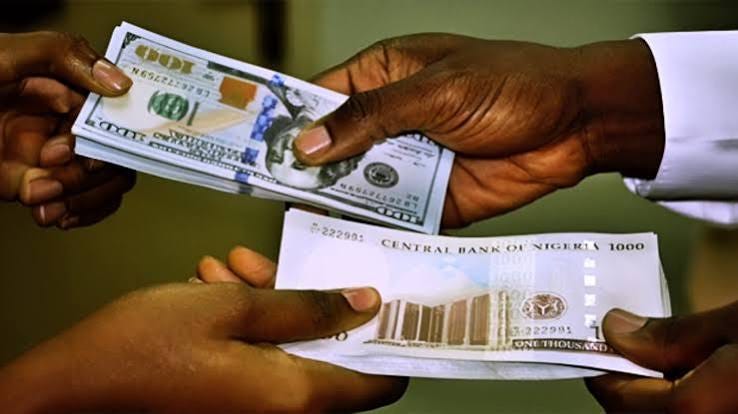
The mechanics are familiar. Reserves are the buffer the CBN uses to smooth the official rate. When the buffer shrinks, the defence gets thinner, and the market tests the line. A $406 million dip in a week is not a crisis. It is a signal, and signals in currency markets become self-fulfilling fast.
This echoes the 2016 dollar shortage, when reserves fell and the CBN defended a fixed rate until it could not. The difference is that the current framework is more flexible, which means the adjustment shows up in price rather than queues.
The winners are dollar earners and exporters paid in foreign currency, and the capital market operators who will earn fees on any new infrastructure instruments. The losers are importers, motorists buying petrol priced off the dollar, and households whose food basket is priced at the market rate rather than the official one.
Bottom Line: A ₦1,440 rate and falling reserves are not a coincidence. They are a bill arriving.