


The naira reached a multi-month high against the US dollar. The appreciation occurred across parallel and official market segments. Increased foreign exchange liquidity drove the move. Crude export earnings contributed. Sustained portfolio inflows also played a role. The currency has strengthened steadily since the J.P. Morgan and FTSE reclassifications.
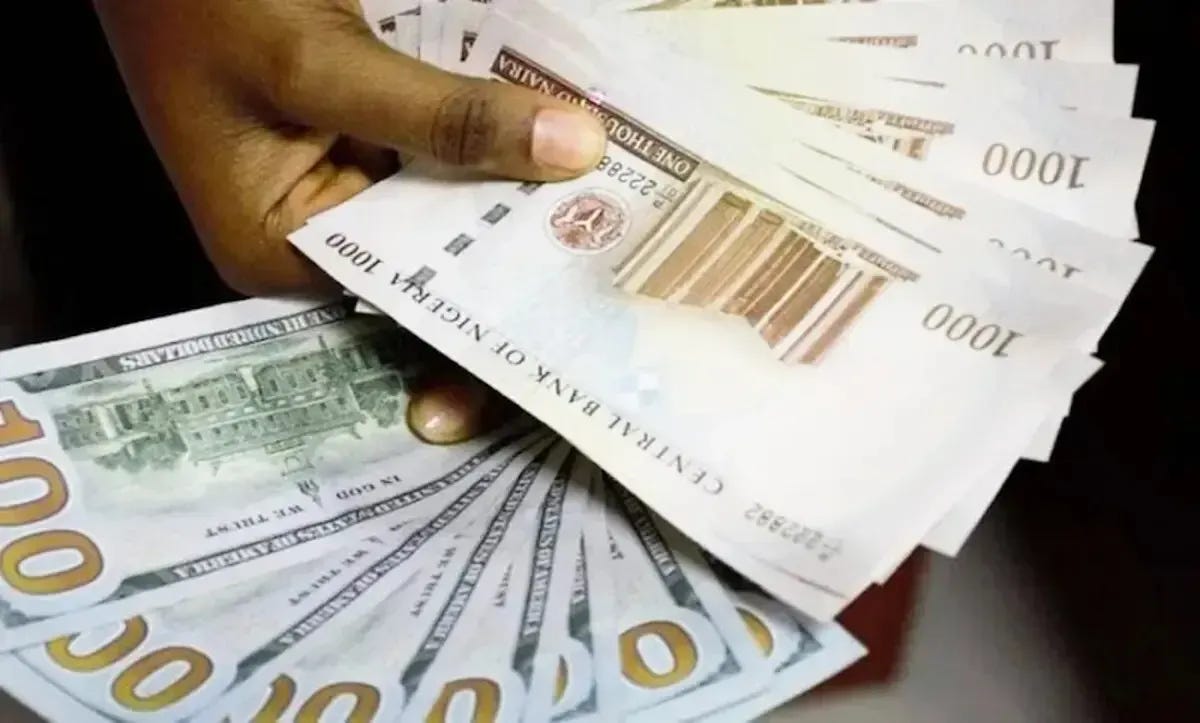
The naira lost over 70 per cent of its value after the June 2023 float. It traded at about ₦900 to the dollar in 2024. Reforms stabilised it in 2025. Reserves rose. The current account surplus widened. Portfolio investors returned. In 2026, the naira began appreciating. It has gained about 8 per cent this year.
Crude production has risen. Navy operations lifted output to 1.84 million barrels per day. Higher output means higher dollar earnings. Portfolio inflows followed the index readmissions. Foreign investors bought naira bonds and equities. Remittances remained strong. The combination pushed the naira higher.
The appreciation has mixed effects. Importers benefit from cheaper dollar goods. Consumers may see lower prices for imported items. Exporters face higher costs in dollar terms. Manufacturers who export become less competitive. The Central Bank of Nigeria gains room to manage rates.
The risks remain. Portfolio flows are volatile. Hot money can reverse. Oil prices fluctuate. A global risk-off event could weaken the currency. The CBN must manage the inflows carefully. It must avoid complacency.
Winners: Importers, who pay less for dollar goods. Consumers, who may see lower prices. The CBN, which gains credibility. Foreign investors, who gain returns. Losers: Exporters, who become less competitive. Manufacturers, who face higher relative costs. Currency speculators, who lose bets. The government, if oil revenue falls.
Bottom Line: The naira is stronger. The drivers are real. The gains can reverse. Nigeria must diversify exports. A strong currency is not a strategy.