


The National Agency for Food and Drug Administration and Control has warned patent medicine dealers in Ebonyi against selling fake, substandard and unregistered medicines. The state coordinator, Emeka Orajaka, gave the warning in Abakaliki on Tuesday. He was speaking at a sensitisation meeting with the Nigerian Association of Patent and Proprietary Medicine Dealers.
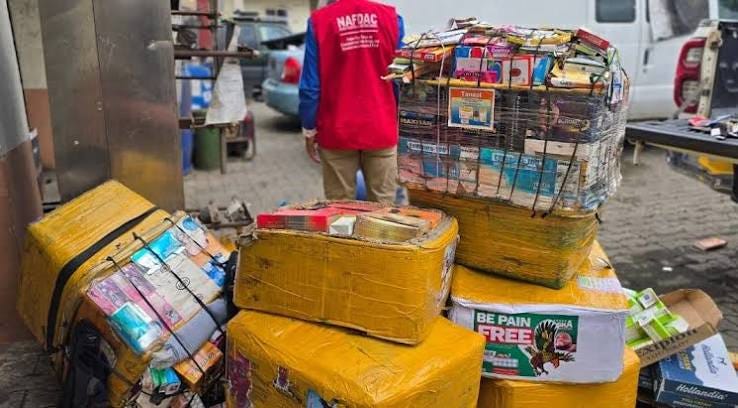
His advice was practical. Buy only from authorised suppliers. Inspect stock regularly. Report suspicious products to the agency, the police or the association’s leadership. He introduced the agency’s online verification platform and the Greenbook application, which let a dealer check a product’s registration before buying or selling it. He also asked dealers to surrender suspected substandard products found during inspections.
The context explains the urgency. Falsified medicines are packaged to resemble genuine products, which is what makes them dangerous. A consumer cannot tell the difference by looking. Neither can a dealer, unless he checks a register. That is why the agency is pushing the application rather than a lecture.
The history here is grim and instructive. The agency was created in 1993, in the wake of the 1988 paracetamol syrup scandal that killed dozens of children. Its first major victory came in the 2000s, when a sustained campaign against counterfeit antimalarials cut deaths among children under five. That campaign worked because it combined raids with public information. The Ebonyi meeting is the second half of that formula.
The association’s response was concrete. The state president, Jerry Ikporu, called the exercise timely and said members now know how to verify products. The chairman at the International Market, Steven Udeze Okpucha, said the association had set up a monitoring committee to police its own members. He said anyone caught selling fake or unregistered medicines risks six months’ closure of his shop, with seized stock handed to the agency for destruction. His slogan was blunt: “No to any drug without NAFDAC number.”
Now the trade-off, which the meeting did not dwell on. Patent medicine dealers are the first point of care for most Nigerians. A woman in a village with a fever goes to the chemist before she goes to a hospital. Tightening the supply chain raises costs for the dealer, and some of that cost travels to her. Enforcement that closes shops without expanding access to clinics leaves a gap that someone else will fill, usually less carefully.
The winners are consumers who can now check a product number, and honest dealers who lose sales to counterfeiters. The losers are the counterfeiters, and possibly the dealers who cannot afford compliant stock. The six-month closure penalty is a real deterrent. It also concentrates the market in the hands of those who can survive an inspection.
Winners: NAFDAC, honest dealers, consumers who use the Greenbook. Losers: Sellers of fake or unregistered medicines, and dealers whose margins cannot absorb compliant sourcing.
Bottom Line: A register and an application only work if a buyer checks them. Enforcement is the hard part, and it has to start in the market, not the ministry.