


The National Agency for Food and Drug Administration and Control (NAFDAC) destroyed unwholesome products valued at approximately ₦22.73 billion between January and August 2026. The agency carried out 22 destruction exercises during the period.
The figures, presented at the International Pharmaceutical Regulators Programme Management Committee Meeting in Prague, Czech Republic, also show the scale of NAFDAC’s enforcement operations. The agency recorded 5,542 enforcement activities, conducted 213 raids, made 821 product seizures, closed 179 premises, secured 52 arrests and imposed 221 sanctions.
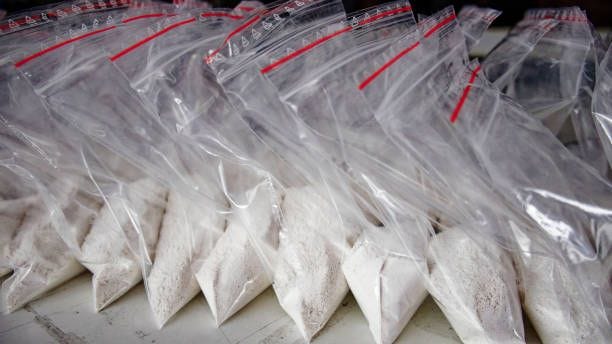
The products covered several regulated categories, including medicines, food, drinks, cosmetics, medical devices and chemicals. The destruction exercises were intended to prevent unsafe and substandard goods from returning to the market and exposing consumers to health risks.
The figures are significant, but they also reveal a persistent problem. Thousands of enforcement activities in eight months suggest that unsafe products remain a serious challenge across Nigeria’s consumer market.
NAFDAC’s earlier enforcement data showed that July recorded the highest monthly activity, with 1,089 operations. Cosmetics accounted for 401 product seizure entries during the eight-month period, followed by drinks with 215 and drugs with 112. Food products accounted for 69 entries.
The agency also reported progress in local pharmaceutical manufacturing. Under its 5+5 Policy and Ceiling 36 initiative, more than 70 per cent of the finished pharmaceutical products covered by the programmes are now manufactured locally. It said it was maintaining the World Health Organisation’s Maturity Level 3 regulatory status while working towards Level 4.
Consumers stand to benefit when dangerous products are removed from circulation. Legitimate manufacturers and distributors also gain when regulators enforce standards consistently. However, businesses and individuals who profit from counterfeit and substandard goods face increased scrutiny.
The real test is whether enforcement leads to lasting deterrence. Destroying seized products protects consumers from those particular goods, but stronger surveillance, effective prosecution and tighter market controls are needed to prevent their replacement.
Bottom Line: NAFDAC has removed ₦22.73 billion worth of unsafe products, but lasting consumer protection requires stopping dangerous goods before they reach the market.