


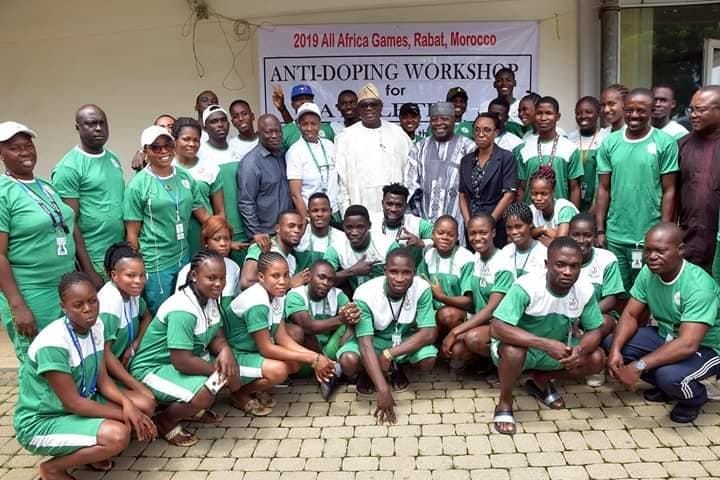
The National Anti-Doping Committee (NADC) has warned Nigerian athletes and sports federations against banned performance-enhancing substances. The committee cited life-long health hazards and permanent competitive sanctions. The warning follows a rise in doping cases across African sport.
Doping has become a serious problem in Nigerian athletics. In 2022, several Nigerian athletes were suspended for banned substances. In 2024, a sprinter tested positive at an international meet. The NADC was established to enforce anti-doping rules. It conducts testing, educates athletes and prosecutes violations. Nigeria is a signatory to the World Anti-Doping Agency code. It is bound by international standards.
The NADC leadership addressed athletes and federations. It said banned substances cause permanent health damage. It said sanctions include bans, stripped medals and loss of eligibility. The warning targets athletes, coaches and medical staff. Federations were told to monitor their teams. The committee said testing will increase. It will target both elite and grassroots athletes.
The warning is necessary. Young athletes are vulnerable. Coaches or agents offer them substances. They do not understand the consequences. The NADC’s education programme is limited. Funding is thin. Testing capacity is constrained. The committee relies on international partners for lab analysis. That adds cost and delay.
The 2027 African Games and 2028 Olympics are approaching. Nigeria wants medals. It also wants clean sport. The two must be balanced. Athletes who dope risk their health and their careers. The NADC is trying to deter them.
Winners: Clean athletes, who compete fairly. The NADC, which asserts its role. Nigeria, which protects its sporting reputation. Losers: Doping athletes, who face sanctions. Coaches who encourage doping. Federations that fail to monitor.
Bottom Line: The NADC warned athletes. Banned substances ruin health and careers. Testing will increase. Nigeria wants clean medals. The warning is necessary.