


Global mobility fintech Moove has announced its exit from Nigeria. The company launched in Lagos six years ago. It will transfer full ownership of eligible vehicles to its drivers and customers. The vehicles are worth about ₦35 billion. The transfer comes at no cost to the drivers. All remaining payment obligations and financing balances are waived. The arrangement took effect on 1 October 2026.
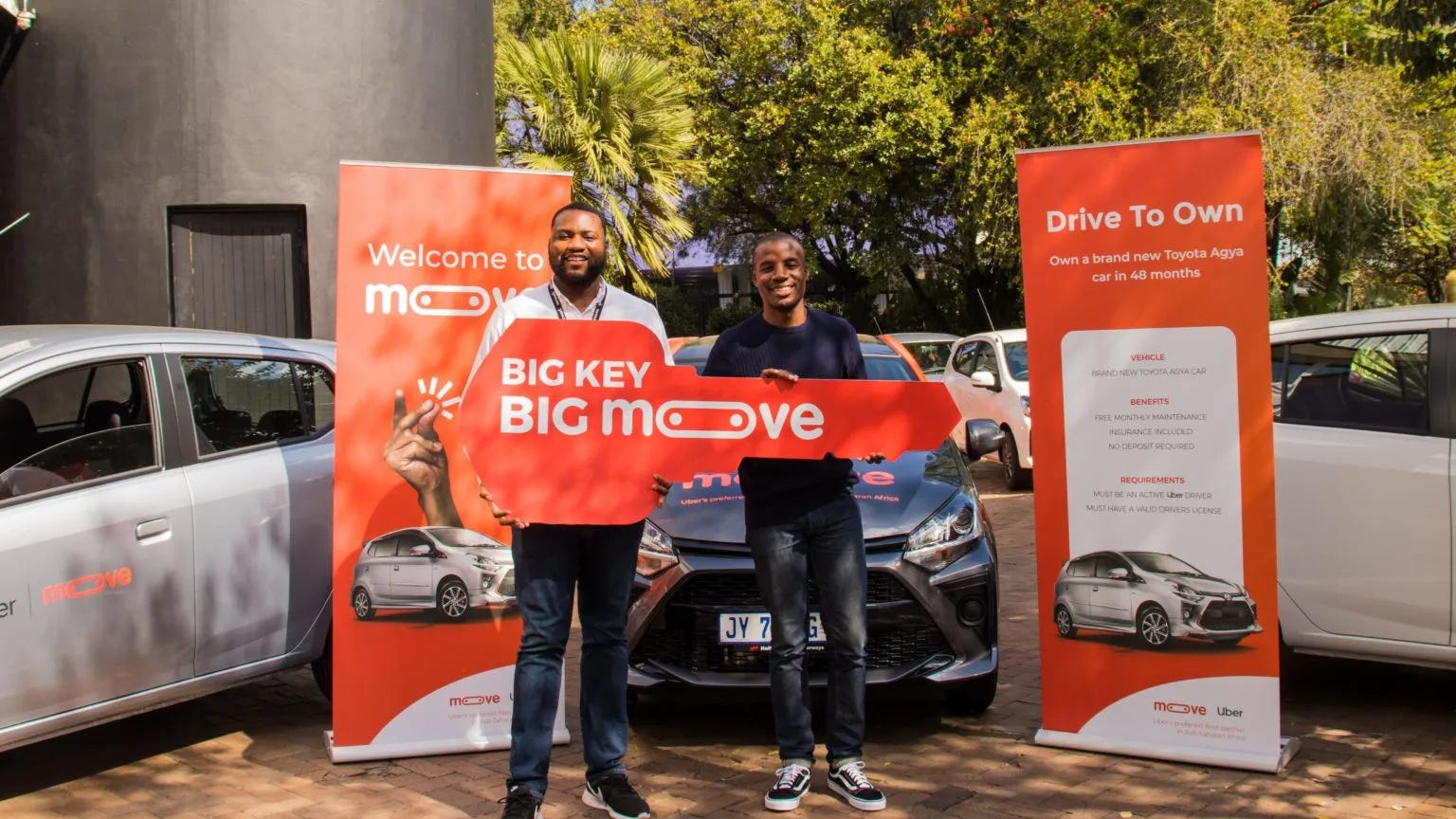
Moove was co-founded in Lagos by Ladi Delano and Jide Odunsi. It provided revenue-based vehicle financing to mobility entrepreneurs. Drivers who could not access traditional bank loans used Moove to acquire cars. They repaid from their ride-hailing earnings. Moove expanded to 13 markets across Africa, the Middle East and Asia. It raised over $400 million in debt and equity. It became one of Nigeria’s most visible startup success stories.
The exit follows years of economic pressure. The naira devalued sharply in 2023 and 2024. Vehicle import costs doubled. Fuel prices rose above ₦1,000 per litre. Ride-hailing demand fell as commuters cut spending. Drivers struggled to meet repayment schedules. Moove’s model depended on predictable earnings. That predictability disappeared. The company chose to liquidate its Nigerian fleet rather than repossess vehicles. Drivers who qualified received outright ownership. The remaining balances were written off. Moove did not disclose the number of beneficiaries or the exact criteria. It said eligible drivers were selected based on their account status.
The exit removes a major player from Nigeria’s vehicle financing market. Competitors like Autochek and Suzuki Financing remain. But Moove’s scale was unmatched. Its departure signals that revenue-based vehicle financing is difficult in a volatile currency environment.
Winners: Eligible drivers, who gain free vehicles. Moove, which exits without mass defaults or legal battles. The Nigerian used-car market, which absorbs the transferred vehicles. Losers: Moove’s Nigerian employees, who face job losses. Investors who expected long-term returns from the Nigerian market. Drivers who were not eligible. Ride-hailing platforms, which lose a financing partner. The Nigerian startup ecosystem, which loses a flagship success story.
Bottom Line: Moove is leaving Nigeria. It is giving away ₦35 billion in cars on the way out. Drivers benefit. Employees do not. The company’s model worked when the naira was stable. It failed when the currency collapsed. Other fintech lenders should take note. Revenue-based financing is only as reliable as the revenue.