


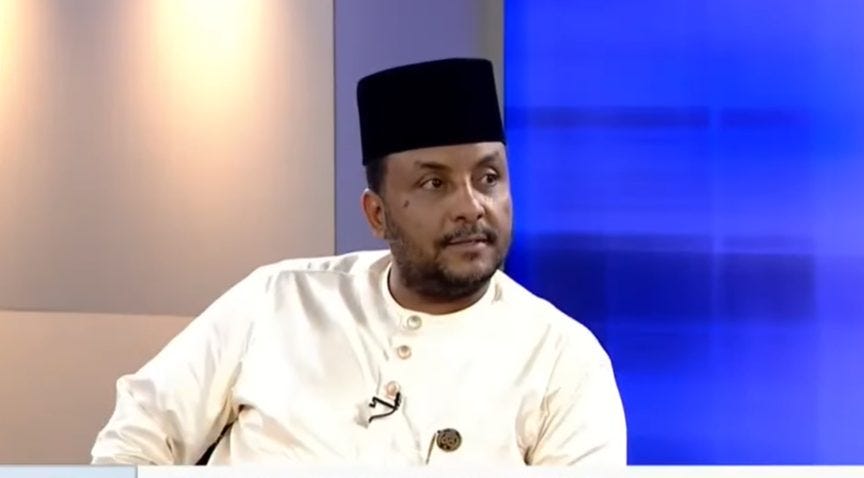
Alwan Hassan made a striking admission on live television. The spokesperson of the APC Presidential Campaign Council appeared on Arise News’ Prime Time. The anchor, Charles Aniagwu, pressed him on budget implementation. Hassan did not defend the process. He attacked it. “A lot of ministers pay billions to be appointed,” he said. “The first thing they think of is how to recoup that money after being appointed.”
Nigeria’s ministerial appointments have long been linked to financial contributions. In 2011, a presidential aide alleged that ministers paid millions of dollars for their posts. The claim was never investigated. Successive administrations have faced similar accusations. In 2015, the Buhari administration promised to reform the appointment process. In 2019, the government introduced a screening process. In 2023, the Tinubu administration took office with a pledge to cut waste. The practice persists because the system rewards loyalty over competence. Ministers control budgets. They award contracts. They recoup their investments. The cycle is self-sustaining.
Hassan said the president had bypassed ministers for three and a half years. Tinubu, he said, personally directs major capital expenditure and revenue projects. “Why do we need ministers?” he asked. “Why do we need budgets to be given to ministers?” He called ministers “the most criminal elements in government.” He said they spend billions securing appointments and then loot their allocations. Direct executive oversight, he argued, is the only way to safeguard public funds.
The anchor pointed out the irony. Hassan had effectively confirmed that the administration has a policy of passing budgets without funding them through the ministries. That is a vote of no confidence in the president’s own appointees. Hassan did not retreat. He said the problem is systemic. It predates the APC. It crosses party lines. “It is the truth about our country and not just APC ministers,” he said. “It started before the APC.”
The exchange captured a central tension in Nigerian governance. The budget is passed. The money is appropriated. The ministries are supposed to spend it. They do not. Capital implementation rates are low. The president steps in. He bypasses the bureaucracy. He funds projects directly. This works, in the short term. It also undermines the institutional process. Ministers are appointed. They are paid. They are bypassed. The system becomes personalised.
Hassan’s defence is that the process is broken. He is right. The minister who pays for his post has already compromised his office. He will loot to recover his investment. He will inflate contracts. He will demand kickbacks. The budget becomes a recovery mechanism. The public loses. The president, if he bypasses them, may protect some funds. But he cannot oversee every project. The system needs reform, not circumvention.
Winners: Tinubu, who gains justification for direct control. The APC, which gains a talking point. Hassan, who gains visibility. Losers: Ministers, who are described as criminals. The National Assembly, whose budget is bypassed. The civil service, which is sidelined. Voters, whose money is looted. The treasury, whose funds are diverted. Nigeria’s governance system, which is personalised rather than institutionalised.
Bottom Line: A campaign spokesman said ministers pay for their posts. He is right. He also admitted that the president bypasses his own appointees. That is not a solution. It is an indictment. A system where appointments are bought cannot be fixed by centralising power in one man. It requires a clean appointment process. It requires accountability. It requires institutions that work. Until then, the corruption will continue. The president will bypass. The ministers will loot. The people will pay.