


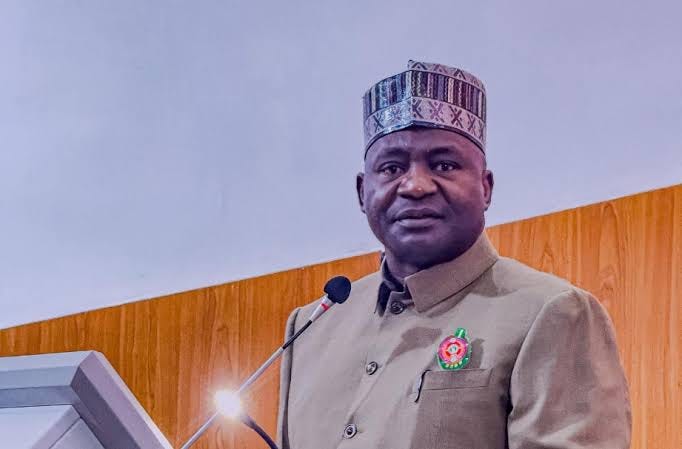
Nigeria’s Defence Minister Christopher Musa said on 16 November that the military was receiving real-time US intelligence, satellite imagery and training support to combat insurgents. The support comes ahead of the 2027 elections. Musa said intelligence-led operations had killed several militant and bandit leaders in the northeast and northwest. Additional helicopters were expected from the US and Italy.
Musa said Nigeria had agreed to a five-kilometre cross-border pursuit arrangement with Cameroon, Niger and Chad. The arrangement would allow Nigerian troops to pursue militants a short distance into neighbouring territory. Authorities are monitoring militants’ use of Starlink, cryptocurrencies and drones. They are also targeting financing and recruitment networks. Musa warned that Islamic State Sahel was attempting to recruit northwestern bandit groups. That recruitment, if successful, could deepen the region’s insurgency threat.
The mechanics matter. Real-time intelligence and satellite imagery improve targeting. They do not replace ground forces, local knowledge or effective policing. The helicopters are useful. They are also scarce and expensive to maintain. The five-kilometre pursuit arrangement is a diplomatic achievement, but it depends on trust between four armies. Starlink and cryptocurrency monitoring is necessary. It is also technically difficult and legally sensitive.
This mirrors the 2015 US drone and intelligence support to Nigeria’s counter-insurgency, which improved targeting but did not end Boko Haram. It also echoes the 2020 Multinational Joint Task Force arrangements, which coordinated cross-border operations but struggled with funding and trust. The difference now is the Islamic State Sahel recruitment warning. That is a strategic threat, not a tactical one.
The winners are the Defence Ministry, which gains international support; the military, which gains intelligence and equipment; and communities in the northeast and northwest, if targeting improves. The losers are militant leaders killed; and the military, if the support creates dependence without building local capacity.
Bottom Line: US intelligence and helicopters help. Nigeria still needs local intelligence, credible courts and a plan that does not depend on foreign satellites.