


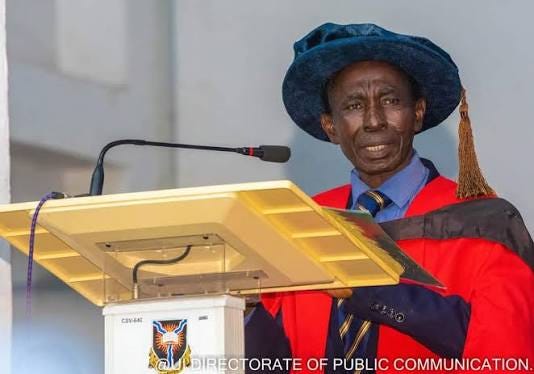
Political Science scholar Dr Dhikru Yagboyaju of the University of Ibadan presented research showing that 27 years of historic military rule continue to shape Nigeria’s political culture, electoral processes, and governance institutions. The research highlights the enduring legacy of military rule on Nigeria’s democratic development.
The findings are a sobering reminder that Nigeria’s democratic institutions are still shaped by decades of authoritarian rule. The military’s legacy is evident in the concentration of power in the executive, the weakness of institutions, and the culture of impunity that pervades the political system. The research suggests that Nigeria’s democracy is still evolving and that the legacy of military rule will continue to shape its development for years to come.
This echoes the 2018 studies on democratic consolidation in Nigeria, which also highlighted the challenges of transitioning from military rule. The mechanism then was different, but the result was the same: a recognition that Nigeria’s democracy is still a work in progress.
The winners: the research community, which has produced important findings; and the Nigerian public, who gain a deeper understanding of their political culture. The losers: those who prefer to ignore the legacy of military rule; and the Nigerian government, which must address the challenges highlighted by the research.
Bottom Line: Military rule still shapes Nigerian politics. The legacy of authoritarianism endures. The question is whether democracy can overcome the legacy of the past.