


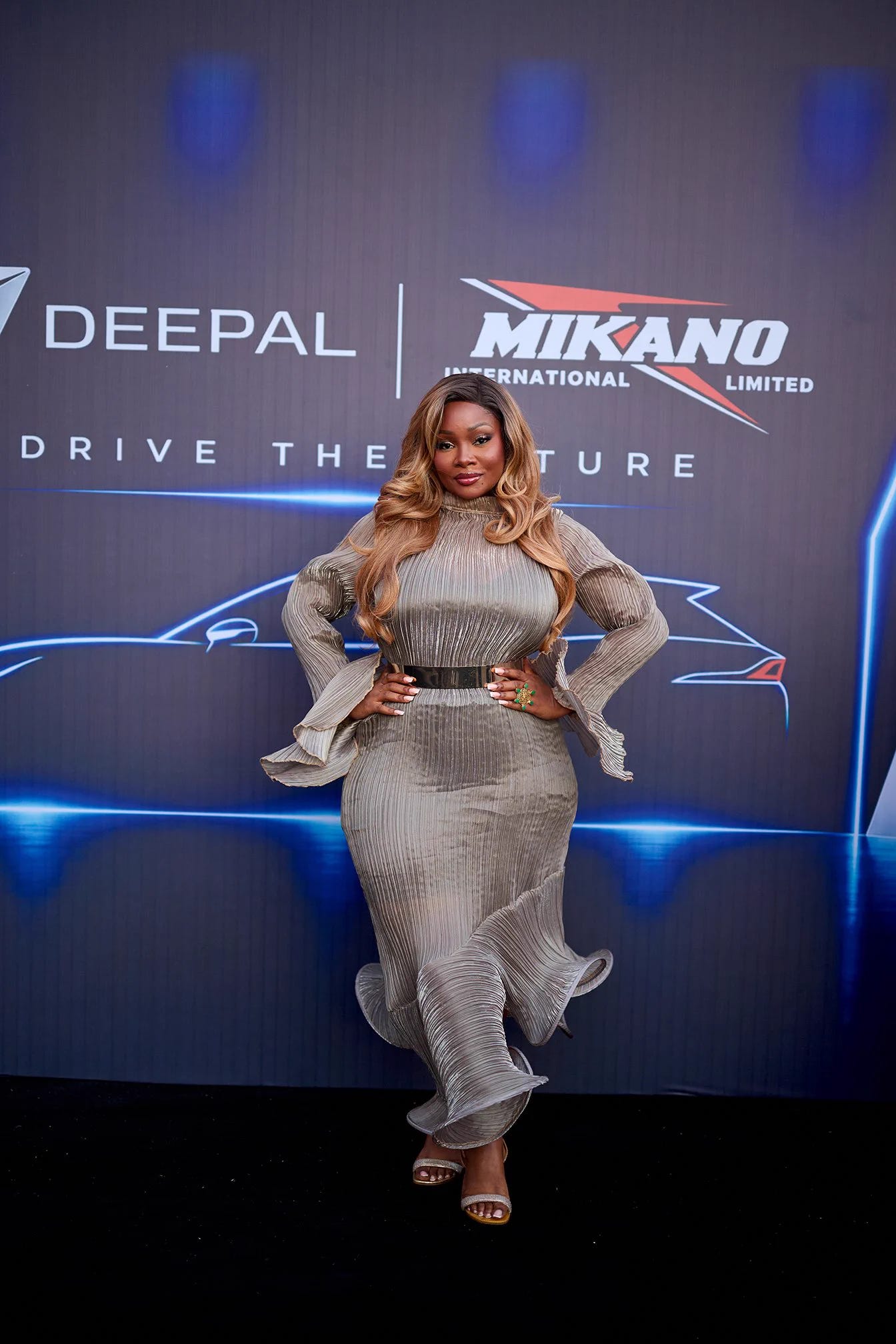
Mikano Motors has launched the Deepal brand in Nigeria, unveiling the S09, a six-seat SUV that uses Range Extended Electric Vehicle technology. The S09 has a combined driving range of more than 1,100 kilometres, 485 horsepower and a 1.5-litre turbocharged petrol engine that acts as a generator when the battery depletes. Mikano is offering a six-year or 200,000-kilometre warranty and an eight-year battery warranty. The launch featured Nigerian fashion labels Pepper Row, Emmy Kasbit and The Lady Maker, and a raffle in which one attendee won an S07 .
The mechanics of the REEV design are the selling point and the admission. The S09 drives on electric motors, but it carries a petrol engine to charge the battery on long journeys. That is a compromise built for a country where charging infrastructure is thin. It is also an electric vehicle that still needs petrol, which means the owner’s fuel bill does not disappear, it just shifts from the pump to the generator .
This echoes the hybrid and range-extender strategy that Toyota and others have used in markets with weak charging networks. It also mirrors the Nigerian auto market’s long history of importing vehicles designed for other conditions and adapting them after the fact.
The winners are Mikano, which gets a premium product with a warranty that addresses the main consumer fear, and the fashion labels, which get a luxury launch audience. The losers are the buyers who will pay a premium for an electric vehicle that still needs a petrol station, and the government, which has no charging policy to make the electric part meaningful.
Bottom Line: An electric car with a petrol generator is a bridge. Nigeria needs the road on the other side.