


Financial markets reacted positively to October’s headline inflation drop to 14.06%. The reading sparked heavy institutional buying across consumer goods and industrial equities on the Nigerian Exchange. The rally was broad, not isolated to one sector. Fund managers read disinflation as a signal that rate cuts may eventually follow.
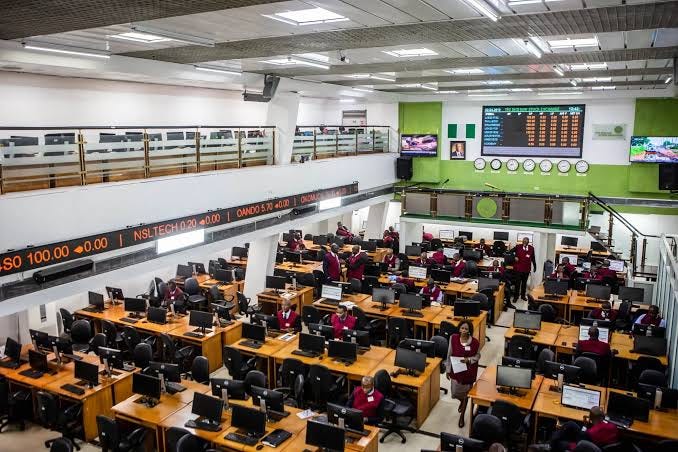
The mechanics matter. Equity prices reflect expected future earnings. When inflation falls, input costs ease and margins improve. When investors expect interest rates to fall, they move money from fixed income into equities. That double effect explains the buying. The rally is a bet on the future, not a report on the present.
This mirrors the 2019 disinflation period, when equities rallied before the trend reversed. It also echoes the 2024 inflation spike, when consumer goods stocks fell as costs rose. The difference now is direction. Investors are pricing relief.
The human dimension matters. A pension fund manager who bought consumer goods stocks in October gained. A trader in Onitsha who buys the same goods at retail still faces high prices. The market celebrates the index. The household checks the price of a bag of rice.
The winners are institutional investors; consumer goods companies; and the NGX, which gains volume. The losers are fixed income investors who missed the rally; short sellers; and households still facing high food costs.
Bottom Line: A rally on lower inflation is a bet on rate cuts. The CBN must decide whether the disinflation is durable before the market gets ahead of it.