


Oil marketers have temporarily halted the loading of Dangote fuel due to an ongoing pricing dispute over dollar sales. The Federal Government has stepped in to mediate the situation, as the halt in gantry loading at fuel depots has pushed local petrol prices above ₦1,200 per litre.
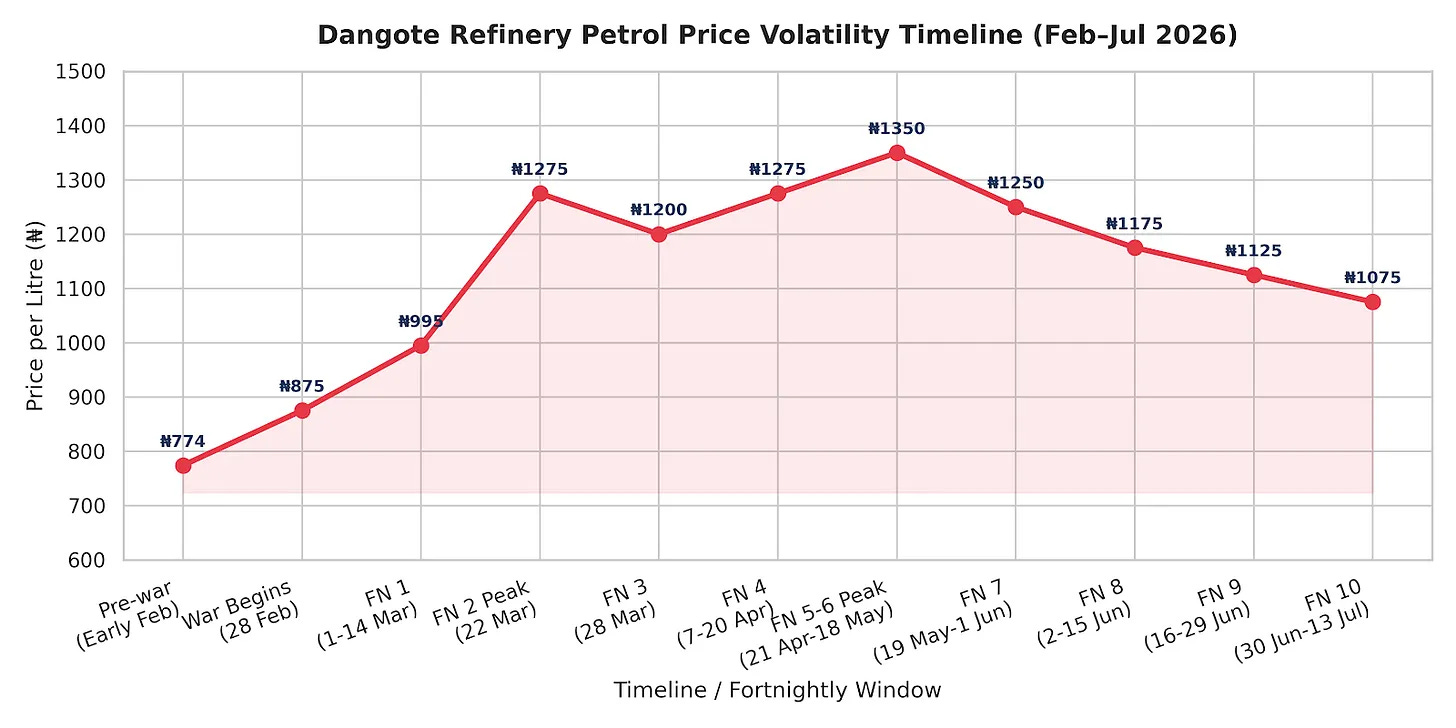
The dispute stems from Dangote Refinery’s decision to adopt a dollar-based pricing template for petrol sales. Marketers have refused to load fuel at the new prices, fearing that they will be unable to sell at a profit. The halt in loading has reduced supply, pushing prices higher at the pump.
The Federal Government has intervened to mediate the dispute, with officials from the Ministry of Petroleum Resources and the Nigerian Midstream and Downstream Petroleum Regulatory Authority (NMDPRA) meeting with both parties. The outcome of the mediation will determine whether the impasse is resolved or whether the situation escalates.
The dispute reflects the deeper tensions in Nigeria’s petroleum sector. The Dangote Refinery was supposed to end Nigeria’s dependence on imported fuel, but the shift to dollar pricing has created new challenges. The government’s role as mediator is complicated by its own interests in the sector.
This echoes the 2023 fuel subsidy removal, which also created tensions between marketers and the government. The mechanism then was different, but the result was the same: price volatility and uncertainty in the petroleum sector.
The winners: importers who can exploit the uncertainty and Dangote Refinery, which has reduced its exchange rate risk. The losers: petroleum marketers, who face uncertainty, and Nigerian consumers, who pay higher prices at the pump.
Bottom Line: Marketers have stopped loading Dangote fuel. The pricing dispute is pushing petrol above ₦1,200. The government is mediating. The consumer is paying the price.