


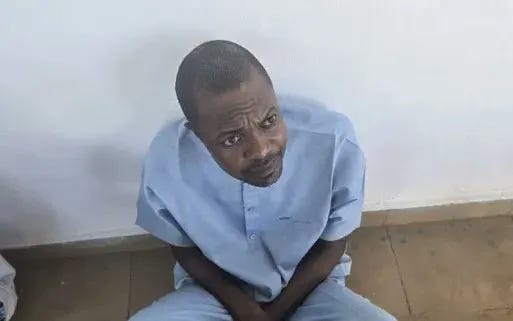
Adeniyi Adeyemi has been charged with eight counts of forgery and impersonation. Prosecutors say he operated a fictitious government agency. The agency is called the Presidential Foreign Investment Promotion Council (PFIPC). They allege he ran it since 2024. He pleaded not guilty. He was remanded in custody until 12 October. He insists the agency is legitimate.
Nigeria has a long history of fraudsters impersonating state institutions. In 2019, a man posed as a presidential aide and defrauded contractors in Abuja. In 2021, the Economic and Financial Crimes Commission arrested a syndicate running a fake federal agency in Lagos. In 2023, a similar case emerged in Kano involving forged appointment letters. The pattern reflects weak verification in public institutions. Offices are allocated, staff deployed and budgets approved on paper trails that are rarely audited against a central register.
Prosecutors allege Adeyemi forged an appointment letter purportedly issued by President Bola Tinubu. They say he used official-looking documents to obtain office space at the federal secretariat. He also allegedly requested staff deployments. He secured a budget allocation of about $1 million for 2026. The agency attempted to open accounts with the Central Bank of Nigeria.
He has denied wrongdoing. His defence is that the agency is real. That claim will be tested in court. Prosecutors have not accused any government officials of conspiring with him. That detail matters. Either the forgery was sophisticated enough to fool the system, or officials failed to check. Both possibilities are troubling.
The case raises questions about oversight. How did a fictitious agency obtain federal secretariat space? How did it request staff? How did it secure a budget line? Each step requires multiple approvals. Either the approvals were forged, or they were granted. The court will determine which.
Winners: The prosecution, which shows action. The court, which gains a case. Anti-corruption advocates, who gain a case study. Losers: Adeyemi, who faces prosecution and remand. The federal secretariat, whose verification failures are exposed. Officials who approved the requests, if negligence is found. Taxpayers, if public funds were allocated to a fake agency.
Bottom Line: A man allegedly ran a fake presidency agency for two years. He got office space, staff and a budget. He is now in custody. The forgery is alleged. The oversight failure is real. Nigeria’s institutions must verify before they approve.