


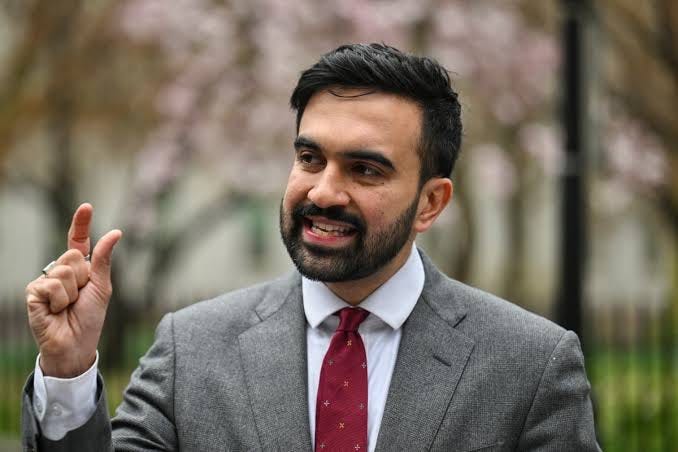
New York City Mayor Zohran Mamdani hailed Nigeria’s global cultural influence at the country’s 66th Independence Day Carnival, saying New York owes much of its success to Nigerians. The event brought together Nigerian diplomats, community leaders and residents in New York.
Mamdani drew laughter when he explained why attending the celebration was unavoidable. “Somebody asked me if I was going to come to the parade. I said, ‘I don’t want any wahala, I have to be here!’” he told the crowd.
The Uganda-born mayor recalled growing up listening to Nigerian music. “I heard that Runtown was going to be here later, and I was born in Kampala, Uganda, and I grew up listening to ‘From Lagos to Kampala’,” he said. He also referenced Patoranking’s “My Woman, My Everything,” drawing applause from the audience.
Mamdani cited Nigerian food, music and football as contributions that had become part of everyday global culture. “Whether it’s Nigerian food, whether it’s Nigerian music, whether it’s Nigerian soccer players, we know that Nigeria is a part of our life,” he said. “When we look across this city, we look at what we love, we know that so much of it was made possible because of Nigerian New Yorkers like you.”
He also cited U.S. international footballer Folarin Balogun, born in Brooklyn to Nigerian parents, as an example of Nigerian contributions to American life. He said Nigeria’s cultural influence extended across Africa, describing Lagos and Nigeria as important sources of identity and belonging for Africans on the continent and in the diaspora.
Nigeria’s Consul-General in New York, Amb. Abubakar Jidda, congratulated Nigerians across the 20 states under the Consulate’s jurisdiction. “The first of October reminds us of the courage, sacrifice and vision of those who secured our independence,” Jidda said. He commended Nigerians in the U.S. for excelling in medicine, education, business, science, arts and other professional fields, and urged them to remain involved in national development.
Nigeria’s Permanent Representative to the UN, Amb. Jimoh Ibrahim, said Nigeria’s diplomatic presence at the United Nations had entered a “renewed and consequential phase.” “Today, Nigeria is fully back on the global stage, visible, engaged, influential and respected,” Ibrahim declared.
This mirrors the trajectory of Nigerian cultural influence since the global rise of Afrobeats and Nollywood. Nigerian musicians sell out arenas in London, New York and Lagos. Nigerian films stream on global platforms. Nigerian footballers play in the English Premier League, Serie A and La Liga. The diaspora is not just a recipient of Nigerian culture. It is a producer of it, shaping the cities where it settles.
Winners and Losers
Winners: Nigerian diaspora in New York, who gain recognition from the city’s highest office. Nigerian musicians and cultural exporters, whose work is validated by international recognition. The Nigerian Consulate, which demonstrates engagement with the diaspora.
Losers: Nigerians at home, who see their cultural influence celebrated abroad while domestic challenges persist. The Nigerian government, which benefits from diaspora goodwill but has not converted it into investment at scale.
Bottom Line: Nigeria’s cultural influence is real. It is measured in streams, ticket sales and the affection of a New York mayor. The harder task is converting that soft power into hard investment.