


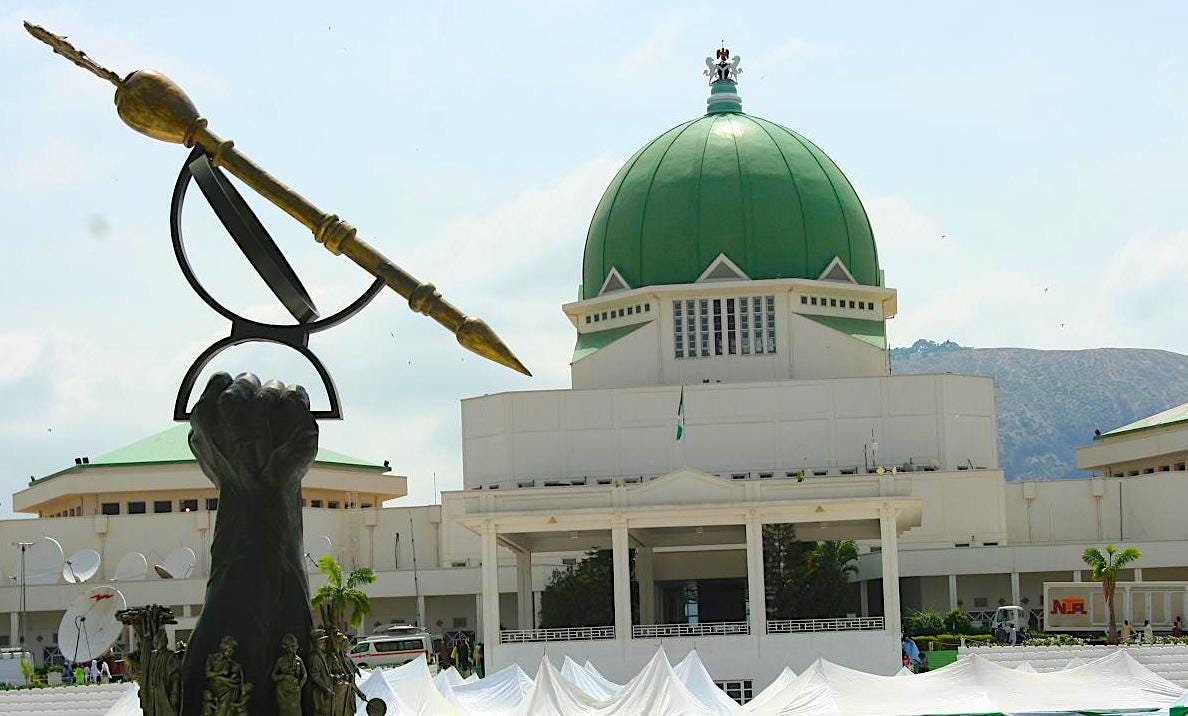
The National Assembly has extended the implementation of the 2025 capital budget from 30 September to 31 December 2026. This is the fourth extension of the same budget cycle. President Bola Tinubu has signed the Appropriation (Amendment) (No. 4) Bill, 2025.
The first extension came in December 2025, when lawmakers moved the deadline from 31 December 2025 to 31 March 2026. A second extension pushed it to 30 June. A third moved it to 30 September. Now a fourth extends it to 31 December.
Each extension was justified by the need to allow ministries, departments and agencies to complete ongoing projects. But the pattern tells a different story. A budget that cannot be implemented within its fiscal year is not a budget. It is a wish list.
This mirrors the COVID-19 disruptions of 2020, when the National Assembly extended parts of that year’s budget into 2021. The difference now is that there is no pandemic to justify the delay. The Federal Government simply cannot spend its capital budget on schedule.
The Democratic and Leadership Alliance has criticised the extension. “We are more concerned that this is the fourth time implementation of the same budget has been extended,” the group said. The criticism is valid. Extending the budget implementation period effectively means that three budget cycles are running concurrently: the 2025 budget, the 2026 budget, and now preparations for the 2027 budget.
The practical consequence is that capital projects financed from the 2025 budget are competing with projects from the 2026 budget for the same contractors, equipment and labour. Contractors face delayed payments. New projects are slowed by the backlog. The capital expenditure side of the budget has become a rolling programme rather than a disciplined fiscal instrument.
Winners and Losers
Winners: Contractors with 2025 capital projects, who gain three more months to execute and be paid. MDAs that have not completed their capital spending, which avoid returning unspent funds to the treasury.
Losers: Taxpayers, whose money sits in accounts while projects remain uncompleted. The 2026 budget, whose projects are delayed by the backlog of 2025 spending. Nigeria’s fiscal credibility, which is undermined by the inability to execute a budget within the fiscal year.
Bottom Line: A budget extension is not a solution. It is an admission that the government cannot spend what it appropriated. The fourth extension should be the last. If the system cannot execute, the problem is not the deadline. It is capacity.