


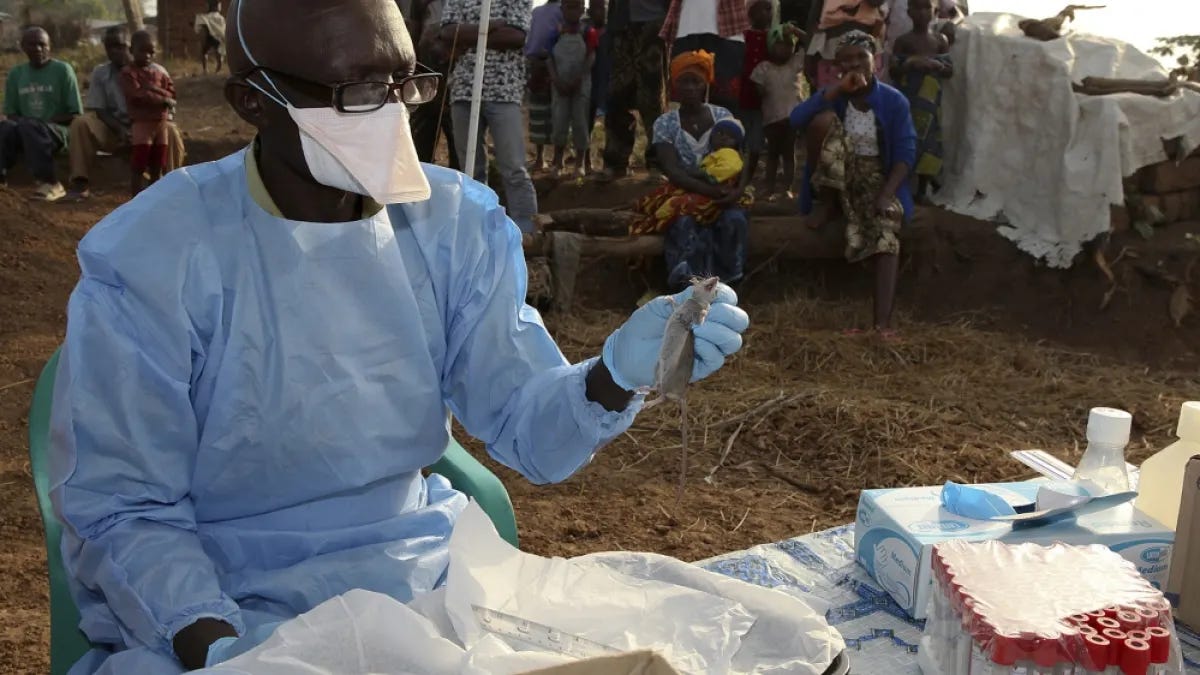
People aged 21 to 30 years remain the predominant age group affected by Lassa fever in Nigeria, as the country recorded 1,035 confirmed cases and 252 deaths in 2026. This was revealed in the latest situation report for epidemiological week 33, released by the Nigeria Centre for Disease Control and Prevention (NCDC) on Tuesday. The report shows that confirmed cases were recorded among people aged between one and 93 years, with a median age of 30 years.
The distribution between men and women was relatively close, with a male-to-female ratio of 1:0.9 among confirmed cases. The latest report showed a sharp increase in new confirmed cases from four in week 32 to 14 in week 33. Two deaths were also recorded during the week. Cumulatively for 2026, Nigeria recorded 7,426 suspected cases, 1,035 confirmed cases and 252 deaths. The case fatality rate also increased from 23.5 per cent in week 32 to 24.4 per cent in week 33.
The NCDC identified late presentation of cases as one of the factors contributing to the high case fatality rate. It also listed poor health-seeking behaviour linked to the high cost of treatment and clinical management, poor environmental sanitation in high-burden communities, poor awareness and healthcare worker infections among the challenges affecting the response.
The winners: none. The losers: the 252 families who lost loved ones; the young adults who are most affected; and the Nigerian health system, which must strengthen its response.
Bottom Line: Lassa fever is killing young Nigerians. The case fatality rate is rising. The question is whether the government will invest in prevention or wait for the next outbreak.