


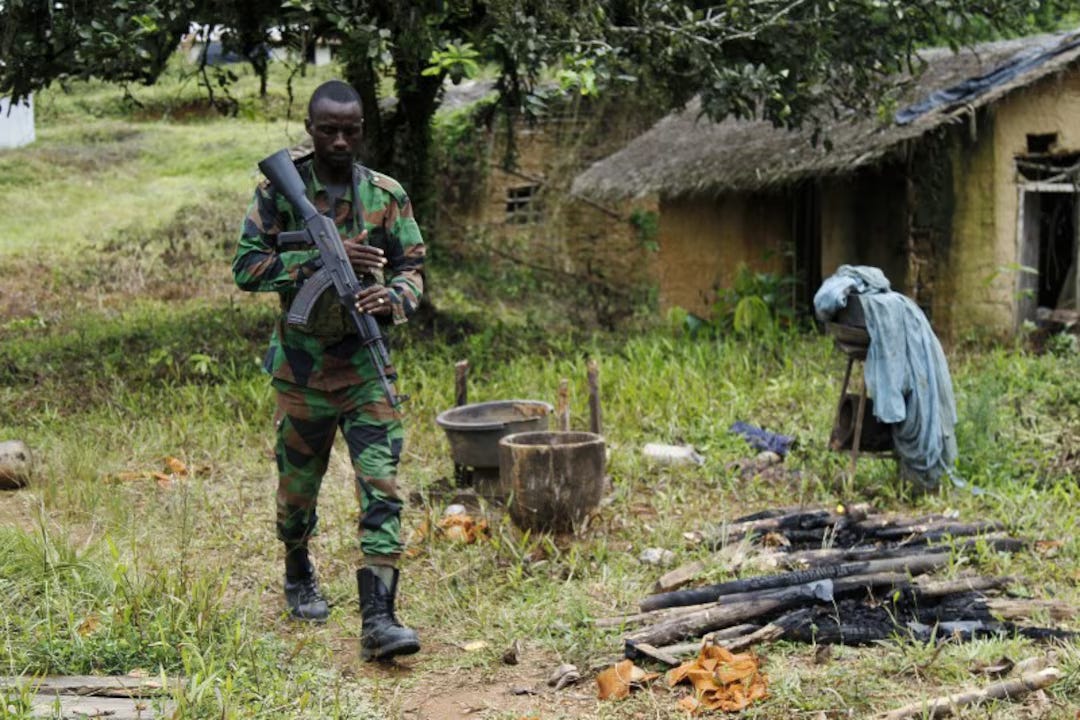
A land dispute between the communities of Gblapleu and Guitrozon in western Côte d’Ivoire is raising fears of renewed violence, with local leaders calling for urgent government intervention. Residents of Gblapleu, supported by people from Yaondé, accuse landowners from the neighbouring village of Guitrozon of attacking farmers, destroying crops, and preventing access to the disputed farmland. Guitrozon residents reject the allegations and maintain they hold customary rights to the land.
The dispute has strained relations between the two communities, disrupted trade and heightened insecurity in an area still recovering from past political conflicts. Traditional leaders and local officials have urged the government to establish a consultation framework involving administrative authorities, land chiefs and community representatives to clarify territorial boundaries. They also called on the Rural Land Agency (AFOR) to accelerate land registration and boundary demarcation, saying a clear resolution is needed to prevent further clashes, restore trust and preserve long-term peace in the region.
Western Côte d’Ivoire has a history of land-related violence. The 2002-2011 political crisis was partly fuelled by land disputes between indigenous groups and migrant communities. The current dispute echoes those tensions, raising concerns that the region could once again become a flashpoint.
The Nigerian stake is clear. Côte d’Ivoire is Nigeria’s competitor for investment in West Africa. Instability in the country’s western region could deter investment and undermine the country’s economic progress. Nigerian businesses operating in Côte d’Ivoire could be affected by the insecurity.
From a Nigerian vantage point, the dispute is a reminder that land conflicts remain a major source of instability across West Africa. Nigeria itself has faced similar conflicts, particularly in the Middle Belt, where farmer-herder clashes have claimed thousands of lives. The Ivorian situation offers Nigeria lessons on the importance of resolving land disputes before they escalate into violence.
This echoes the 2010-2011 post-election crisis in Côte d’Ivoire, which also had land disputes at its root. The mechanism then was different, but the result was the same: instability that threatened the country’s economic progress.
The winners: none. The losers: the communities caught in the dispute; the Ivorian economy, which faces potential disruption; and the Nigerian government, which must watch another West African country struggle with land-related violence.
Bottom Line: A land dispute in western Côte d’Ivoire is threatening to erupt into violence. The government is being urged to intervene. The lesson for Nigeria is clear: unresolved land disputes do not go away. They fester. And they explode.