


The Lagos Water Corporation has revised its coverage figure. The corporation now says its network serves about 1.65 million residents. That is 8.3 per cent of the state’s population. The earlier figure was 1.03 per cent. The revision follows a dispute over how connections are counted. LWC says its connections are plot-based. Each plot serves multiple households.
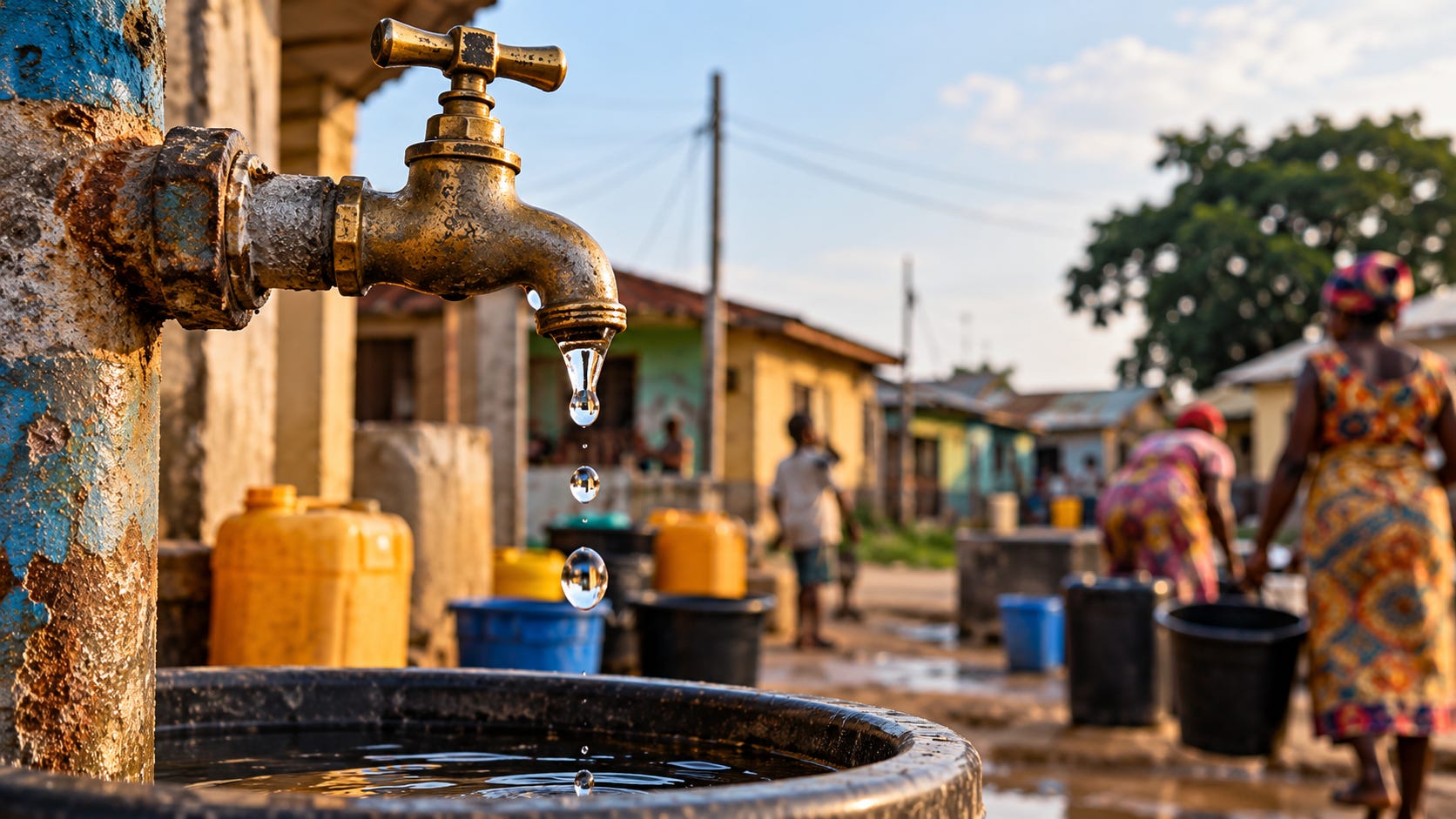
Lagos has struggled to provide potable water for decades. The state’s installed capacity is about 210 million gallons per day. Demand is estimated at 540 million gallons per day. In 2019, the government signed a 30-year concession with a private consortium. The deal was later cancelled. Successive administrations have promised to close the gap. The gap remains. Ageing pipes, power shortages and vandalism limit supply.
The corporation issued a statement on Tuesday. It said the earlier estimate used an average of six people per connection. That was wrong. “LWC currently has 34,424 registered plot connections. Based on an average of 48 residents per plot, these connections serve approximately 1.65 million residents,” the statement said. The revision followed a News Agency of Nigeria report quoting Rasaq Anifowoshe, LWC’s deputy director of corporate affairs, as saying 34,424 connections served 206,444 people.
LWC said no interview was authorised for that report. The report attributed the figures to Anifowoshe. The contradiction is unresolved. Even with the revised figure, LWC admitted that production remains far below installed capacity. It blamed ageing infrastructure, power supply constraints and ongoing rehabilitation works. “Population growth and urban expansion require sustained investment,” it said.
The corporation welcomed “informed public scrutiny” and called for “accurate, transparent reporting.” It said discussions about water supply must be based on “a clear understanding of how the network operates.”
Winners: LWC, which corrects the record. Residents who gain a more accurate picture. The state government, which avoids a damaging headline. Losers: The earlier reporting, which is contradicted. Residents who still lack water, whatever the percentage. The 34,424 connected plots, which face unreliable supply. Taxpayers, if the investment gap persists.
Bottom Line: One per cent or eight per cent, the gap is real. Lagos produces 210 million gallons against demand of 540 million. The revision changes the number. It does not change the pipes. The corporation must fix the network, not just the figures.