


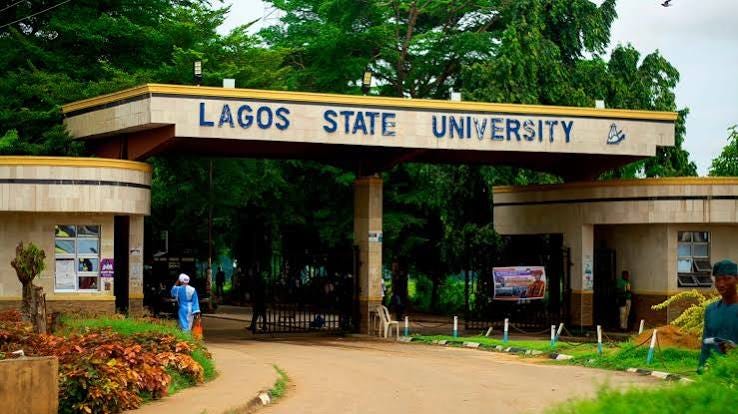
Academic and non-academic staff across all Lagos State-owned universities will down tools from midnight on Saturday, 3 October 2026. The Joint Action Committee of Lagos State-owned universities declared the indefinite strike after the expiration of a seven-day ultimatum to the state government.
The affected institutions are Lagos State University, Lagos State University College of Medicine, Lagos State University of Science and Technology, and Lagos State University of Education. The JAC represents four unions: ASUU, SSANU, NASU and NAAT.
The trigger is straightforward. On 31 August, the unions and the state government signed a resolution promising updated allowance structures, tax-exempt benefits and the payment of backdated arrears in September salaries. September salaries arrived without the agreed increases or the outstanding arrears. The arrears now stretch to nine full months, dating back to 1 January 2026.
This mirrors the pattern of state-level university strikes that has recurred since the 2010s. In 2022, ASUU’s national strike lasted eight months over funding and salary disputes. The difference now is the scope. This is not a national action. It is a state-level dispute in Nigeria’s wealthiest state, which has the fiscal capacity to pay.
“We have demonstrated unprecedented patience, maturity and commitment to peaceful dialogue,” said JAC Chairman Professor Ibrahim Bakare. “Our patience has been pushed to the absolute limit. We have exhausted every possible administrative channel to avert this crisis.”
The demands are specific. Full implementation of the signed 2026 FGN/Unions Agreement across all four institutions. A one-off payment covering nine months of accumulated arrears from January to September 2026. Strict adherence to non-taxable terms on negotiated allowances. A 15 per cent “Lagos Factor” allowance to cushion the cost of living in the metropolis.
The unions also want delivery on past promises made by Governor Babajide Sanwo-Olu. These include a 20 per cent salary increment pledged in 2023 and five Marcopolo buses for student and staff transit.
Bakare said the demands remain within the financial capability of Lagos State. The state’s internally generated revenue reached ₦1.77 trillion in 2025, the highest in the country. That figure is roughly 34 per cent of the national total. The state generates more revenue than 30 Nigerian states combined.
The human stakes are immediate. Students face disrupted academic calendars. Staff face another month without pay. The unions have urged students, parents and civil society leaders to hold the state government responsible for the shutdown.
Winners and Losers
Winners: The JAC, which has demonstrated organisational unity across four unions and four institutions. The Lagos State Government, which retains the fiscal capacity to settle the dispute if it chooses.
Losers: Students at LASU, LASUCOM, LASUSTECH and LASUED, whose academic calendars face indefinite disruption. University staff, who continue working without pay for months of accumulated arrears. The Lagos State Government, which risks reputational damage for failing to honour a signed agreement.
Bottom Line: A signed agreement is not a suggestion. Lagos State has the money. It does not have the will. The strike will last until one of those facts changes