


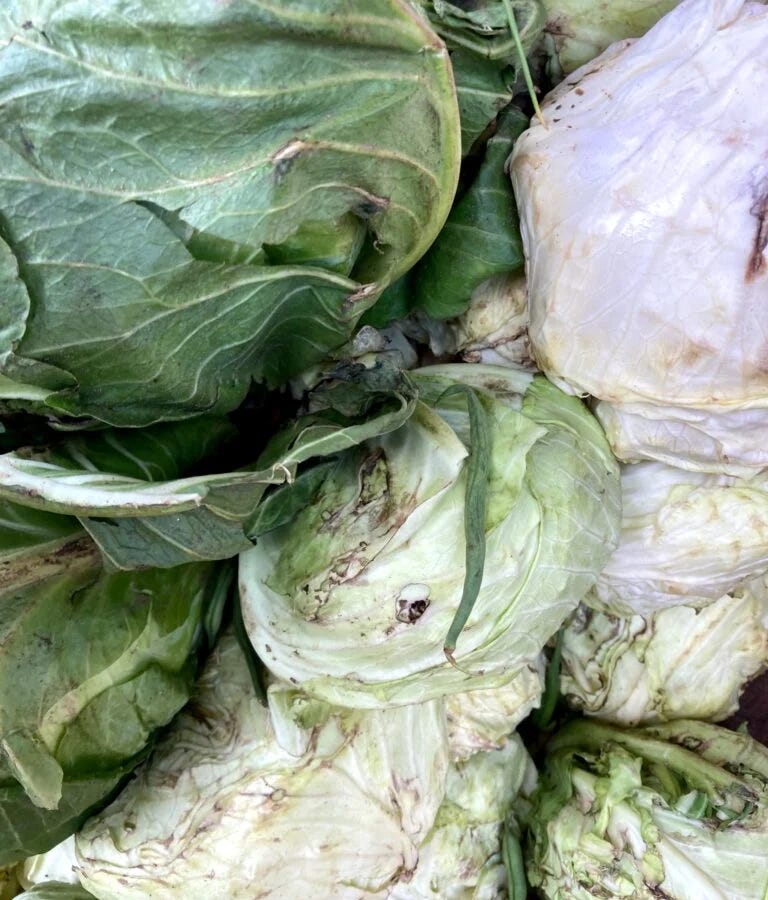
Lagos traders and consumers are counting their losses. Fruits and vegetables are spoiling before they reach the table. The causes are consistent: high heat, poor transportation and inadequate storage facilities. Traders say the losses run into thousands of naira each month.
Nigeria loses a significant share of its food produce after harvest. Poor roads, unreliable power and a lack of cold-chain infrastructure are the main culprits. The journey from northern farms to southern markets can take days. Produce sits in open trucks under the sun. By the time it arrives, much of it is damaged. In Lagos, Mile 12 and other markets receive tonnes of perishable goods daily. The losses push up prices for consumers and cut incomes for traders.
Traders and consumers spoke in Lagos on Sunday. Mrs Yusuf Halima said she loses between ₦15,000 and ₦25,000 monthly. Others reported losing two to three kilogrammes of produce per week. The losses are not isolated. They are systemic. Heat accelerates spoilage. Poor transport adds to the damage. Inadequate storage removes any chance of preservation. The traders called for improved transportation, better storage and affordable preservation facilities. Without them, the cycle continues. Produce arrives. It spoils. It is discarded. The trader absorbs the loss. The consumer pays a higher price for what remains.
The problem is not new. But it is worsening. Inflation has raised the cost of everything. A trader who loses ₦25,000 monthly cannot absorb the loss indefinitely. The losses are passed on. Consumers pay more for lower quality. The food system is leaking value at every stage.
Winners: Cold-chain operators, if investment follows. Importers of preserved produce, who face less competition from local fresh goods. No one else. Losers: Traders, who lose income. Consumers, who pay more for less. Farmers, whose produce is undervalued. The food system, which wastes resources. The economy, which loses productivity.
Bottom Line: Lagos loses food and money to spoilage every day. The causes are known. Heat. Transport. Storage. The solutions are known. Cold chains. Better roads. Reliable power. The investment is not there. Until it is, traders will keep counting losses. Consumers will keep paying. And food will keep rotting.