


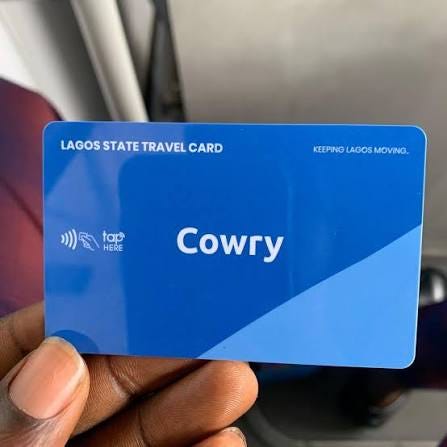
Urban mobility metrics indicate growing commuter adoption of cowry-card automated ticketing across the Lagos Blue and Red Line rail networks. The card is the payment gateway for the Lagos Rail Mass Transit system. Adoption is rising.
Lagos has planned a rail system since the 1980s. The Blue Line was first proposed in 1983. Construction began in 2010 but stalled for years. The first phase opened in 2023, running from Marina to Mile 2. The Red Line followed, connecting Agbado to Oyingbo. Both lines use the cowry-card, a contactless payment system. Previous attempts at automated ticketing in Lagos, including the Bus Rapid Transit (BRT) card, struggled with adoption. The rail system is different. It has dedicated tracks, higher capacity and fixed stations.
The metrics show rising use. Commuters load the card, tap in, and tap out. The system records trips, revenue and passenger flows. That data is valuable. It lets the operator adjust schedules, deploy security, and plan expansion. It also allows the government to measure whether the rail investment is paying off.
The adoption curve matters for another reason. Lagos traffic is legendary. A journey from Ikorodu to Victoria Island can take three hours. The rail offers a faster alternative. But speed alone does not change habits. The cowry-card reduces friction. No cash. No conductor. No argument over change. That matters for daily commuters who value predictability.
The challenges remain. Coverage is limited. The Blue and Red Lines serve specific corridors. Millions of Lagos residents live outside those corridors. Feeder buses and last-mile connections are inconsistent. The card requires a smartphone or a physical card, which excludes some users. The system also needs reliable power and maintenance. Lagos has struggled with both.
Winners: Commuters on the Blue and Red Line corridors, who save time. The Lagos Metropolitan Area Transport Authority, which gains data and revenue. Card issuers, who earn fees. The environment, if rail replaces car trips. Losers: Danfo and bus operators, who lose passengers on parallel routes. Commuters outside rail corridors, who see no benefit. The system, if adoption outpaces capacity and crowding worsens.
Bottom Line: The cowry-card is working. The question is whether Lagos can extend the rail network beyond the two corridors that currently benefit.