


Lagos State urban planning authorities have initiated the controlled demolition of the Great Nigeria Insurance House. The building is located on Lagos Island. It is distressed. The demolition aims to avert structural collapse. It also aims to protect surrounding commercial properties. The process began this week. Roads around the building were cordoned off. Businesses were notified.
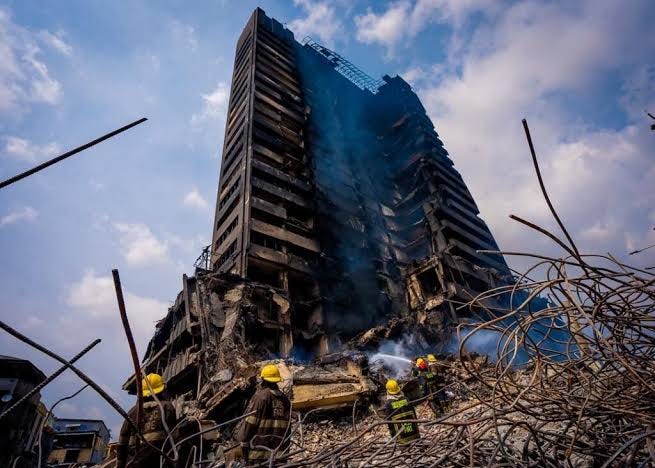
GNI House is one of Lagos Island’s older commercial buildings. It was built decades ago. It has suffered structural deterioration. Lagos has a history of building collapses. In 2019, a building collapsed in Ita-Faaji, killing dozens. In 2021, a 21-storey building collapsed in Ikoyi, killing 42 people. The state government has since prioritised enforcement. Distressed buildings are identified and demolished. The GNI House demolition follows that policy.
The demolition is controlled. Urban planners said the building could collapse at any time. Surrounding buildings are at risk. Commercial activity on the street has been disrupted. Traders and business owners were evacuated. The state government said the demolition is necessary for public safety. It said the process will be completed in phases. The owner of the building has not commented. It is unclear whether compensation will be paid.
The demolition raises questions. Lagos Island is a heritage area. Old buildings define its character. Demolishing them erases history. But safety is paramount. A collapse would kill. The government must balance preservation with safety. It has not announced plans for the site. It may become a new development. It may remain vacant.
Winners: Public safety, which is protected. The Lagos State Government, which shows enforcement. Surrounding businesses, which avoid a potential collapse. Developers, who may gain the site. Losers: The building owner, who loses property. Tenants, who lose offices. Heritage advocates, who lose a historic structure. Businesses, which face disruption. Taxpayers, if the demolition costs are high.
Bottom Line: GNI House is being demolished. It was distressed. It could have collapsed. The government acted. Safety comes first. But Lagos must also preserve its heritage. Demolition is easy. Replacement is hard.