


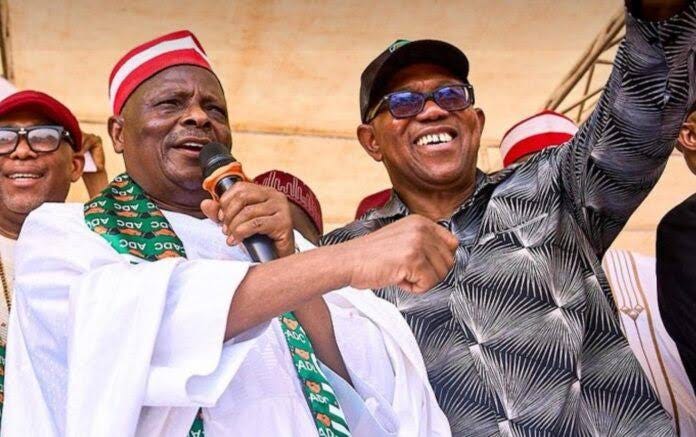
Rabiu Kwankwaso has said a Peter Obi-led administration would reintroduce fuel subsidies. Kwankwaso is the vice-presidential candidate of the Nigeria Democratic Congress (NDC). He spoke in an Arise TV interview. He said the subsidy would return in a reformed structure. The focus would be on domestic refining investment to lower pump prices.
President Bola Tinubu removed the petrol subsidy in May 2023. Pump prices rose from about ₦185 to over ₦500 per litre. They have since climbed above ₦1,500 in several states. The removal was meant to free fiscal space. The government argues it saved trillions. Critics say it deepened hardship. Atiku Abubakar has pledged to restore a targeted subsidy if elected in 2027. The CPPE estimates a universal subsidy would cost about ₦19.16 trillion annually. The NDC’s position adds another voice to the debate.
Kwankwaso’s statement is significant. Obi has been ambiguous on subsidy. As a presidential candidate in 2023, he said he would remove it. His position has evolved. The NDC’s platform now includes a reformed subsidy. Kwankwaso linked it to domestic refining. The logic is straightforward. If Nigeria refines its own petrol, it avoids import costs and exchange rate exposure. That could lower pump prices without a cash subsidy.
The mechanics are complex. Domestic refining requires crude supply. The Dangote refinery processes 650,000 barrels per day. Other refineries are being rehabilitated. If they operate at capacity, Nigeria could meet domestic demand. The savings would be significant. But the refineries need time. The subsidy proposal assumes they will work.
The NDC’s position is political. The 2027 election is approaching. Fuel prices are a top voter concern. Two-thirds of respondents in a recent SBM Intelligence poll want some form of government fuel support restored. The NDC is responding to that sentiment. The APC will argue that reintroducing subsidy is fiscally reckless. The NDC will argue that the current system is worse.
The debate will shape the campaign. Subsidy is not just an economic issue. It is a test of priorities. The NDC is betting that voters want relief. The government is betting that they will accept pain for long-term gain.
Winners: The NDC, which gains a clear policy position. Domestic refiners, which gain support. Voters, who get a choice on subsidy. Losers: The Federal Government, which faces criticism. Fiscal hawks, who oppose subsidy. Importers of refined products, who lose market share. Taxpayers, if subsidy costs return.
Bottom Line: Kwankwaso says an Obi administration would restore subsidy. The structure is reformed. The focus is domestic refining. The politics are clear. Fuel prices are a top concern. The NDC is offering relief. The government is offering reform. Voters will decide.