


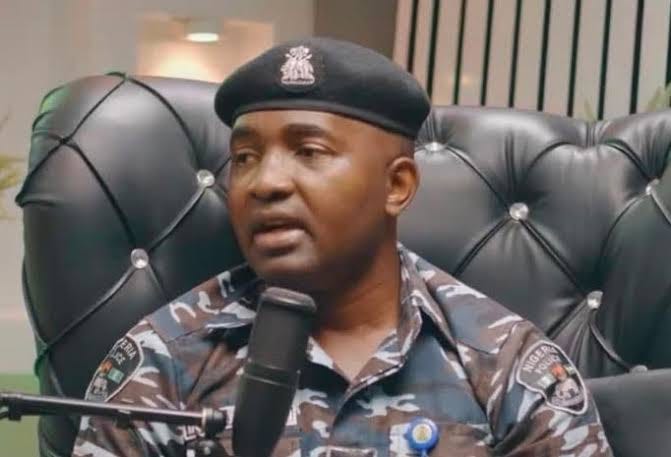
The Anambra State Police Command has rescued a kidnap victim and arrested two suspects. The victim was held captive for three days. During that time, the kidnappers withdrew ₦7 million from his bank accounts. They also fled with his Toyota Highlander SUV. The police spokesperson, Tochukwu Ikenga, disclosed this on Thursday, 17 September 2026.
Nigeria’s kidnapping crisis has evolved. It began as militant activity in the Niger Delta in the 2000s. It shifted to the northwest in the 2010s, where armed groups turned it into a commercial enterprise. The 2014 Chibok abduction internationalised the crime. Since then, mass abductions of schoolchildren, travellers and villagers have become routine. The ransom economy has grown. SBM Intelligence recorded 7,825 abductions between July 2025 and June 2026. Of those, 7,334 were in the three northern zones. At least 1,142 people were killed. Ransom payments reached ₦7.78 billion. That is more than triple the ₦2.56 billion paid in the preceding year. The Anambra case shows a new tactic: kidnappers are not waiting for negotiated payments. They are draining victims’ bank accounts directly.
The operation unfolded on 16 August 2026. Operatives of the Anambra IGP’s Violent Crime Response Unit acted on intelligence. They arrested Victor Onwuka, alias “Bugatti,” and Madukaife Chidiebere Kenechukwu, aged 30, at Akpukpokelemu Village, Nimo, in Njikoka Local Government Area. The suspects allegedly abducted the victim and held him for three days. During captivity, they accessed his bank accounts and withdrew ₦7 million. They fled with his Toyota Highlander SUV. Both suspects confessed during interrogation. The victim identified them. They are cooperating with investigators to identify other syndicate members still at large.
In a separate operation on 15 September 2026, the same unit arrested five suspects in an armed robbery case. The suspects allegedly snatched a TVS tricycle in April 2026 in Asaba, Delta State. Police recovered the tricycle at Old Road, Nkpor. The first suspect, Nwakpa Friday, aged 38, was arrested. Four others followed: Sylvester Nteshi, aged 53; Nwuzor Livinus, aged 35; Mgbom Uche, aged 27; and Chiweuba Chukwudi, aged 42. They remain in police custody.
The Commissioner of Police, Nnanna Ama, commended the operatives. He said the command would sustain intelligence-led operations and technological deployment against violent crime.
The Anambra case matters beyond the arrests. It shows how kidnappers are adapting. They target victims with liquid assets. They use mobile banking to move money fast. They do not wait for families to raise ransom. This model is faster and harder to trace. It also puts victims at greater risk. A victim who has been drained of cash and assets has less value alive. The bank withdrawals also mean the crime is not just kidnapping. It is armed robbery and financial fraud. The police must pursue all three.
Winners: The Anambra Police Command, which demonstrates operational capacity. The Violent Crime Response Unit, which justifies its creation. The rescued victim, who survived. Communities in Anambra, who see arrests. Losers: The victim, who lost ₦7 million and his SUV. The kidnappers, who face prosecution. Other syndicate members, who remain at large. Banks, which face questions about account security during captivity. Nigerians who fear that any encounter with kidnappers can now cost them everything they own, not just a negotiated ransom.
Bottom Line: Kidnappers withdrew ₦7 million from a captive’s account in three days. They did not wait for a ransom demand. They emptied the man’s life savings and took his car. The banks processed the transactions. The police arrested two suspects. The method will spread. Nigeria’s kidnapping economy is evolving faster than its enforcement.