


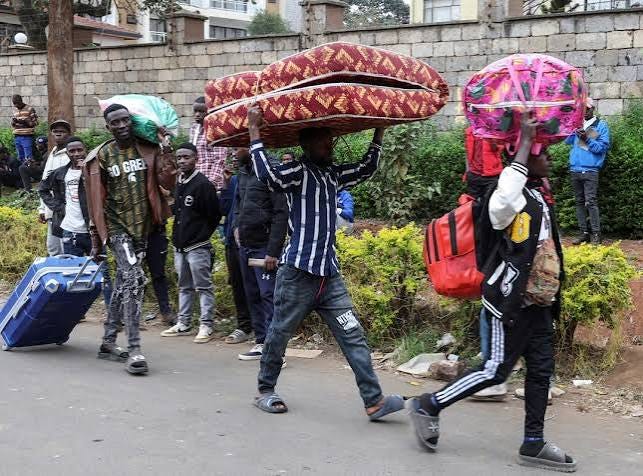
Kenya has offered a temporary amnesty to undocumented East African nationals after hundreds of Burundians gathered at their embassy in Nairobi, fearing a crackdown on foreign traders. The move followed President William Ruto’s order to close small-scale businesses operated by foreigners without work permits. The government later said it would not tolerate harassment, intimidation or xenophobia and urged undocumented East African nationals to register through their embassies.
Those undergoing registration will be treated as legally present during the process. Long queues formed outside Burundi’s embassy, with some nationals seeking travel documents to return home. The United Nations refugee agency estimates that about 16,000 Burundian refugees and asylum seekers live in Kenya, with many working in small-scale businesses.
The Nigerian stake is clear. Kenya’s crackdown on foreign traders is a reminder of the challenges facing African migrants across the continent. Nigeria has also faced similar issues in South Africa, where Nigerian traders have been targeted.
From a Nigerian vantage point, the Kenyan amnesty is a recognition that harsh crackdowns can have unintended consequences. The government’s decision to offer amnesty is a pragmatic response to the situation.
The winners: undocumented East African nationals, who have been offered amnesty; and the Kenyan government, which has avoided a diplomatic crisis. The losers: those who fear the crackdown; and the Nigerian government, which must learn from Kenya’s experience.
Bottom Line: Kenya has offered amnesty to undocumented East Africans. The crackdown is on hold. The question is whether the amnesty will be extended or the crackdown will resume.