


Kenya has confirmed a second Ebola case. The health ministry announced it on Wednesday. The case comes a week after the first. The patient is a 39-year-old man. He is a close family member of the first case. The first patient died in a Nairobi hospital on 5 October. The second patient was already in quarantine when he fell ill on Tuesday. He was isolated immediately.
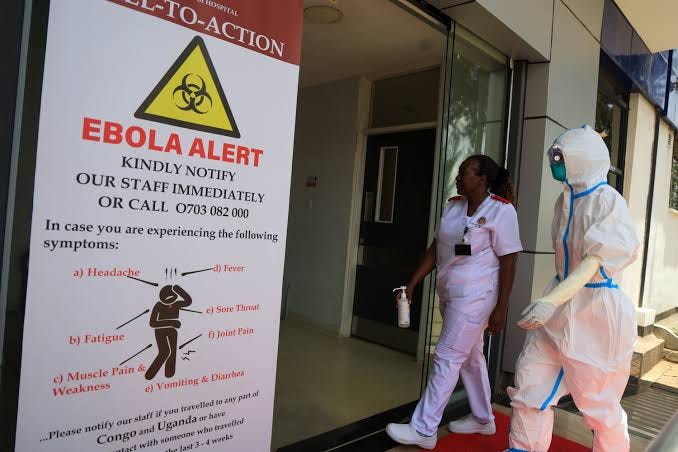
Ebola is a viral haemorrhagic fever. It spreads through contact with bodily fluids. Outbreaks have high fatality rates. The current outbreak is centred in the Democratic Republic of Congo. It has caused more than 9,000 cases and over 4,000 deaths. Kenya is the fourth country with a case tied to the outbreak. The others are Congo itself and neighbouring states. Ebola preparedness in East Africa has improved since the 2014 West Africa outbreak. Surveillance, isolation and contact tracing are the core tools.
The ministry said both cases are linked. There is no evidence of spread in the wider community. Authorities have traced 113 of 128 contacts of the first patient. That is a strong response. Contact tracing breaks transmission chains. The second patient was already under observation. His illness was detected early. Isolation followed immediately. The risk to the public remains low. Kenya’s health system has experience with infectious disease outbreaks. It has isolation facilities. It has trained staff. It has laboratory capacity.
The challenge is scale. Congo’s outbreak is large. Movement across borders continues. Kenya is a regional hub. Travelers arrive daily. Each case requires tracing. Each contact requires monitoring. The window for containment is narrow. The government has urged the public to remain calm. It has advised against panic. It has also urged vigilance. Hand hygiene and avoiding contact with sick persons remain the basic precautions.
Winners: Kenya’s health ministry, which responded quickly. Contact tracers, who are doing critical work. Patients who are detected early. The World Health Organization, which coordinates. Losers: The two patients and their family. Communities under monitoring. Kenya’s tourism sector, if fears grow. The health system, which faces strain. Neighbouring countries, which face spillover risk.
Bottom Line: Kenya has a second Ebola case. Both are linked. The response is timely. Contact tracing is ongoing. The outbreak in Congo is large. The risk remains. Kenya must sustain vigilance. Early detection saves lives. Isolation contains outbreaks.