


Kano State House of Assembly has endorsed the bill to establish state police services. The assembly passed the bill on Tuesday. The Speaker, Jibril Ismail-Falgore, presided. He said the house considered clauses 1 to 26 in the Committee of the Whole House. “A bill for an act to alter the Constitution of the Federal Republic of Nigeria, 1999 to provide for the establishment of the state police service and for related matters is hereby considered and passed,” he said.
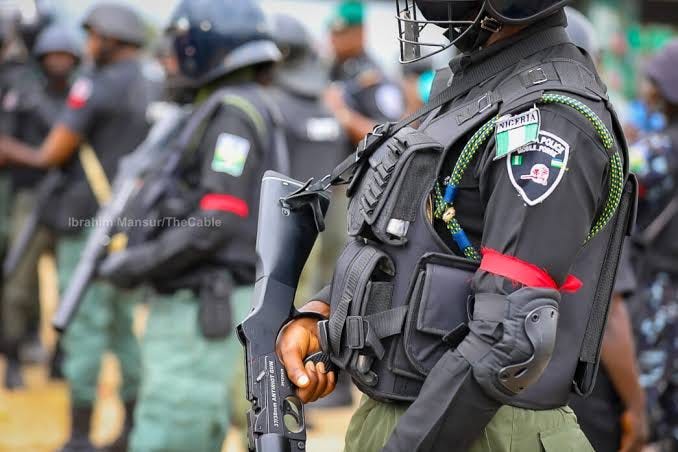
The 1999 Constitution places policing under exclusive federal control. The National Assembly has debated state police for years. In 2014, the National Conference recommended it. In 2023, an attempt to amend the Constitution failed. Osun became the first state to approve the bill in October 2026. Delta followed. The current amendment retains the Nigeria Police Force as the federal police service. It allows states to establish and fund their own police. It needs approval from 24 state assemblies. Kano and Sokoto bring the count closer.
Kano passed the bill after deliberation. Sokoto adopted it unanimously. The Deputy Majority Leader, Mustapha Abdullahi, moved the motion. He said the executive transmitted the bill, and the Senate considered it on 24 June and the House of Representatives on 23 July. The Senate presented it to the Sokoto Assembly on 22 September.
The proposed framework divides responsibilities. Federal police would handle interstate and international crimes, terrorism, cybercrime, border security, the FCT and federal assets. State police would handle law enforcement, public order, the protection of life and property, and the investigation of local crimes. The federal police could intervene at a governor’s request or where law and order breaks down.
The head of a state police service would be the State Commander of Police. The governor would appoint on the recommendation of the National Police Council, subject to confirmation by the State House of Assembly. A State Police Service Commission would handle appointments, promotions and discipline, except the commander. Funding would come directly from the state’s Consolidated Revenue Fund.
Winners: State governors, who gain policing powers. Communities, if local forces improve security. State assemblies, which assert their constitutional role. The National Assembly, which advances reform. Losers: The federal police, which loses its monopoly. Civil society groups, which fear abuse. Taxpayers, if state police duplicate costs. Nigerians in states with weak institutions, who may face partisan policing.
Bottom Line: Two more states approved state police. The count is growing. The safeguards are still unwritten. State police can protect or oppress. The difference is oversight.