


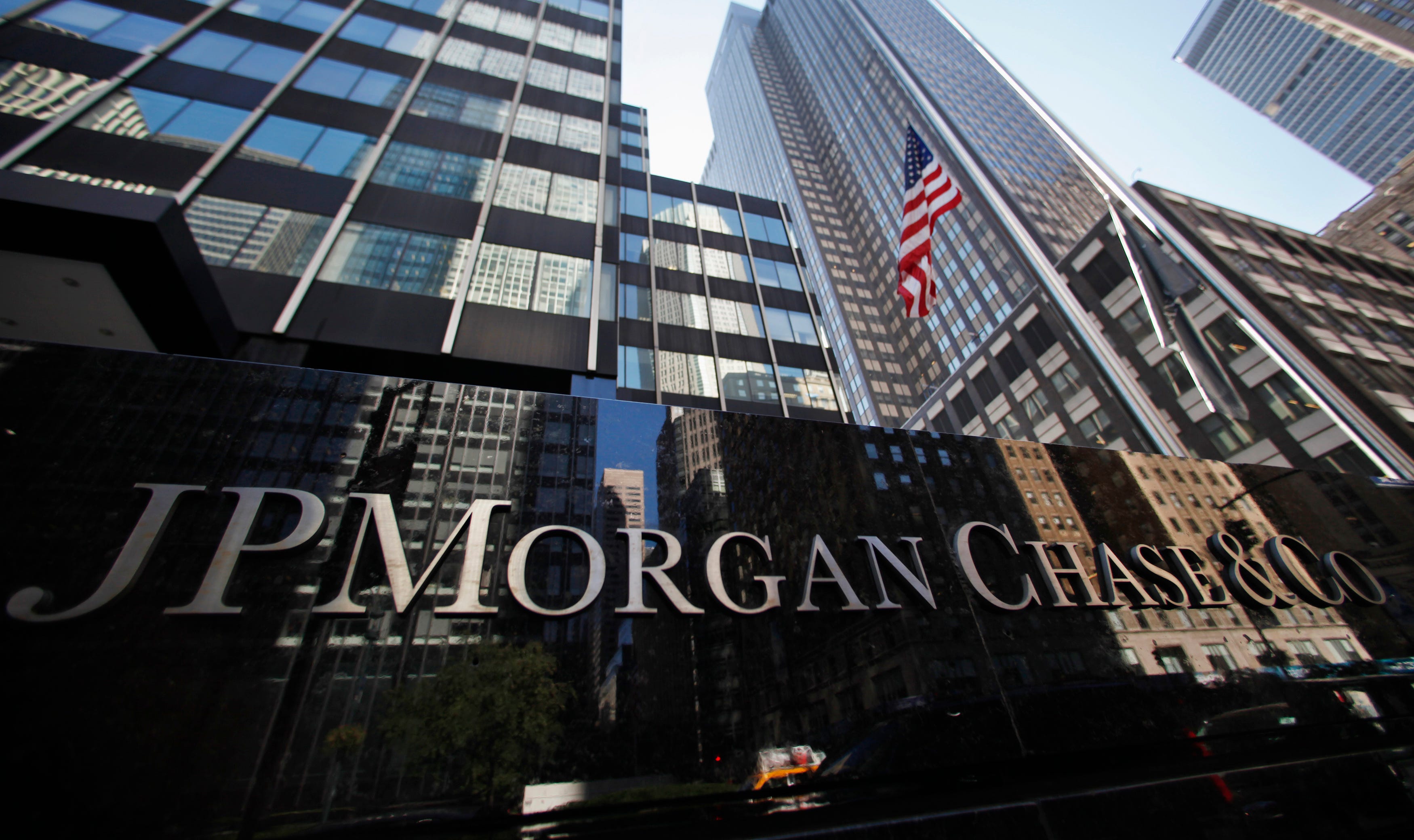
JPMorgan Chase has deposited ₦50 billion with the Central Bank of Nigeria. That is about $38 million. The deposit is one of the final regulatory requirements for a banking licence. The licence would allow JPMorgan to operate a merchant banking subsidiary in Nigeria. Bloomberg reported the development on Tuesday, citing people familiar with the matter.
JPMorgan has been in Nigeria since 1961. Chase Manhattan Bank, its predecessor, opened a branch in Lagos. It provided commercial banking services to local businesses and individuals. A year earlier, Chase International Investment Corporation led the financing of Nigerian Textile Mills, the first major private industrial project with American interest. For decades, JPMorgan operated only a representative office. That limited it to advisory and liaison work. The new licence would let it compete for deposits, trade finance and corporate lending. That is a significant shift.
The bank expects the licence by the end of 2026 or early 2027, if approvals proceed. Dapo Olagunju, managing director of JPMorgan West Africa, disclosed the plan earlier this month at the Nigeria-Asia Financial Connectivity Dialogue in Singapore. The CBN convened the event with the Nigerian Exchange Group and FMDQ Group. The licence forms part of JPMorgan’s plan to broaden its African footprint. It wants a larger share of payments, lending, trade finance and corporate banking.
The timing matters. Nigeria’s banking sector is recapitalising. The CBN raised minimum capital requirements in 2024. Banks have raised over ₦4.6 trillion. Foreign lenders are watching. The naira has stabilised. Reserves are above $55 billion. The J.P. Morgan emerging market index readmission and the FTSE reclassification restored confidence. JPMorgan’s deposit confirms that confidence is not theoretical.
Winners: JPMorgan, which gains market access. The CBN, which attracts a global bank. Nigerian corporates, which gain a new source of trade finance. The banking sector, which gains competition. Investors, who gain confidence. Losers: Local banks that face a better-capitalised rival. Smaller merchant banks that lose market share. The CBN, if it delays the licence. Taxpayers, if the bank receives incentives that undercut local players. No serious losers if the market expands.
Bottom Line: JPMorgan is coming. The deposit is paid. The licence is close. Nigeria’s banking market is opening. Competition will rise. Local banks must prepare. The prize is access to Africa’s largest economy. JPMorgan has waited 65 years. It is not waiting much longer.