

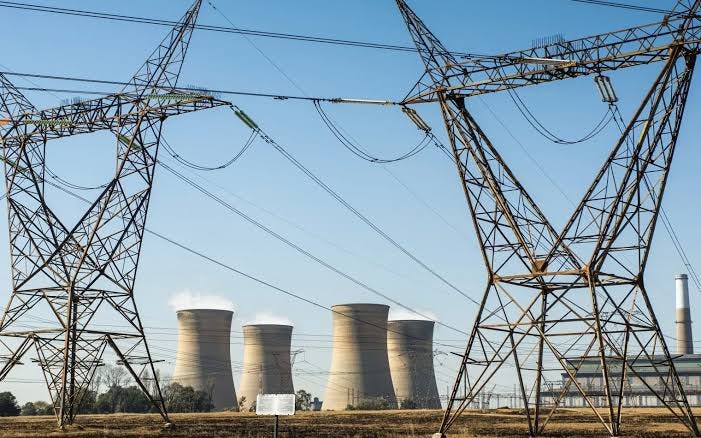
Johannesburg has fully settled a 5.25 billion rand ($328 million) debt owed to state-owned power utility Eskom, South Africa’s electricity department said on Friday. The payment follows a government-led mediation process to resolve a long-running billing dispute that had raised the risk of Eskom reducing electricity supplies to the country’s economic hub.
The settlement comes ahead of South Africa’s municipal elections on November 4, with Johannesburg expected to be a major battleground. The city is governed by a coalition led by the African National Congress (ANC), which is under pressure to improve services and address deteriorating municipal finances. Business leaders have also warned that Johannesburg’s poor infrastructure and financial challenges could undermine economic growth. The debt settlement removes an immediate threat to the city’s power supply, while highlighting broader efforts to restore financial stability and improve service delivery.
The Nigerian stake is clear. Johannesburg’s debt crisis is a warning for Nigerian cities, which also face financial challenges and infrastructure deficits. The settlement of the debt is a positive development, but the underlying problems remain unresolved.
From a Nigerian vantage point, Johannesburg’s experience is a lesson. Nigerian cities must address their financial and infrastructure challenges before they escalate into crises. The government-led mediation process that resolved the dispute is a model for resolving similar issues in Nigeria.
This echoes the 2019 Eskom debt crises, which also threatened power supplies in South Africa. The mechanism then was different, but the result was the same: a struggle to maintain financial stability.
The winners: Johannesburg residents, who will not face power cuts; and the ANC-led coalition, which has resolved a major crisis. The losers: Eskom, which has received its payment but still faces financial challenges; and the Nigerian government, which must learn from South Africa’s experience.
Bottom Line: Johannesburg has paid its Eskom debt. The lights will stay on. The question is whether the city can address its underlying financial problems.